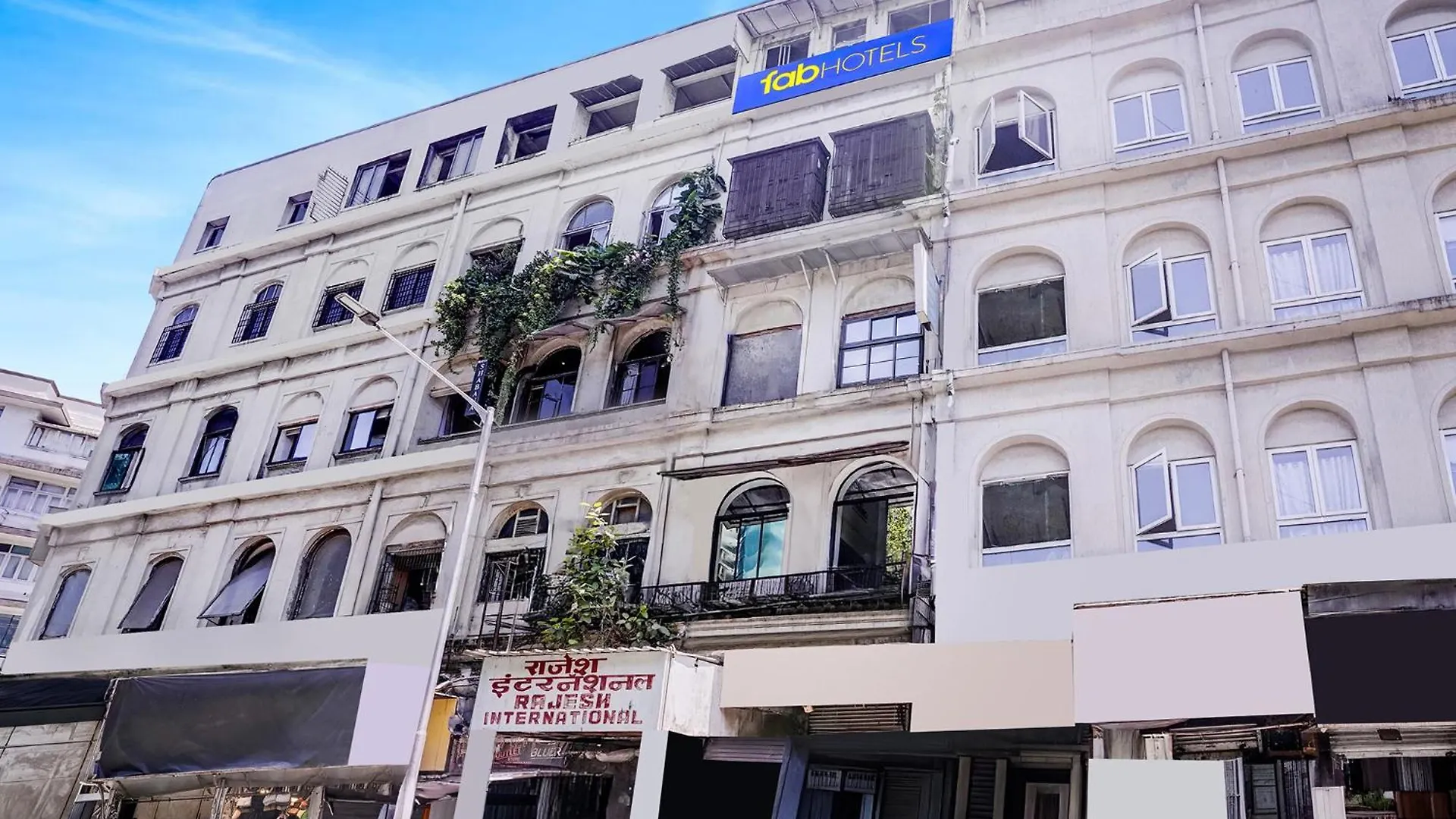
South Mumbai is the city's historic and commercial core - home to the Gateway of India, Colaba Causeway, Chhatrapati Shivaji Terminus, and the old Fort district. Staying here means trading square footage for direct access to Mumbai's most walkable and historically dense neighbourhoods. These 3-star hotels in South Mumbai offer a practical balance between location and price, making them a strong base for anyone who wants to move through the city without relying heavily on taxis or the metro.
What It's Like Staying in South Mumbai
South Mumbai operates at a distinctly different pace from the northern suburbs - the streets around Colaba, Fort, and CST are walkable in a way that most of Mumbai simply isn't. You can reach the Gateway of India, the Prince of Wales Museum (CSMVS), and Crawford Market on foot from most hotels in this zone, which eliminates a significant chunk of daily taxi spend. Traffic congestion peaks sharply on weekday mornings along D.N. Road and Marine Drive, so planning museum or monument visits before 10am makes a real difference. The neighbourhood stays active well into the evening, particularly around Colaba Causeway, but noise levels drop noticeably after 11pm compared to areas like Bandra.
Pros:
Walking access to major landmarks - Gateway of India, CST, and Colaba Causeway are all reachable within 20 minutes on foot from most South Mumbai hotels
Local train connections from CST and Churchgate stations give fast, cheap access to central and northern Mumbai without a cab
Concentration of heritage architecture, dining, and markets in one compact zone reduces daily logistics significantly
Cons:
Road traffic in the Fort and Churchgate corridors creates frequent delays for any cab or auto journey during business hours
South Mumbai 3-star rooms tend to be smaller than equivalent-priced hotels further north, due to higher land costs
Parking is limited and expensive, making this a poor base if you're travelling with a private car
Why Choose 3-Star Hotels in South Mumbai
3-star hotels in South Mumbai occupy a specific niche: they sit close to the city's landmark attractions while keeping nightly rates below the steep premiums charged by five-star properties on Marine Drive or Nariman Point. In this district, a 3-star property typically delivers air-conditioned rooms, functional bathrooms, and basic dining - without the inflated costs of full-service hotels that charge around 40% more for the same neighbourhood access. The trade-off is room size; South Mumbai 3-star rooms average smaller than their suburban equivalents, and soundproofing can be inconsistent in older buildings near major roads. Location efficiency is the core value here - you spend less time and money commuting to the sights that brought you to Mumbai.
Pros:
Competitive nightly rates compared to 4- and 5-star properties in the same neighbourhood
Core amenities - free WiFi, air conditioning, room service, private bathrooms - are standard across South Mumbai 3-star hotels
Central positioning means lower overall trip costs when factoring in reduced transport spending
Cons:
Room sizes are noticeably compact, particularly in heritage buildings that haven't been structurally updated
Breakfast offerings are typically limited to à la carte or basic buffet, not the full spread available at higher-category hotels
Some properties in older Fort and Colaba buildings have dated interiors that photos on booking platforms may not accurately reflect
Practical Booking & Area Strategy
For the best micro-location in South Mumbai, hotels within two blocks of Colaba Causeway or on D.N. Road in the Fort district give the strongest walking access to the area's key draws. Colaba is the tighter, more atmospheric pocket - lanes around Arthur Bunder Road put you within a short walk of the Gateway of India and the Taj Mahal Palace (useful even if you're not staying there). The Fort zone, anchored by CST and the Rajabai Clock Tower, is better connected by local train and slightly quieter at night. Book at least 3 weeks ahead between November and February, when South Mumbai fills with international visitors and domestic travellers escaping northern India's winter. Mumbai's monsoon (June to September) brings significantly lower room rates - around 30% below peak pricing - but heavy rainfall can make street-level sightseeing difficult. Key things to do while staying in South Mumbai include visiting the CSMVS museum, walking the Colaba Causeway market, taking the ferry to Elephanta Caves from the Gateway of India, and exploring the Victorian Gothic architecture around CST and the Oval Maidan.
Best 3-Star Hotels in South Mumbai
Both properties below are located in the Colaba-Fort corridor, South Mumbai's most accessible zone for first-time visitors and returning travellers who prioritise landmark proximity over room size.
-
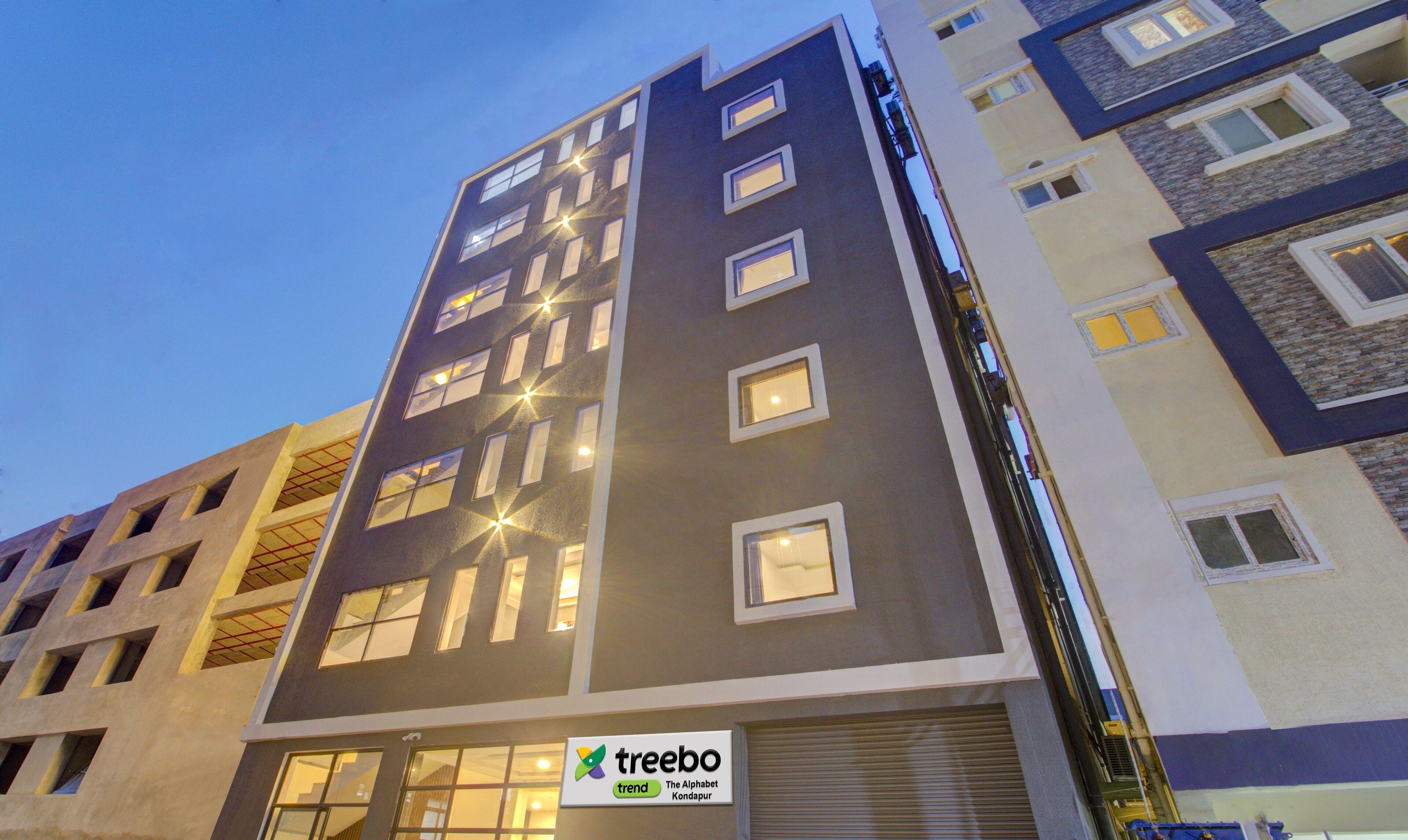
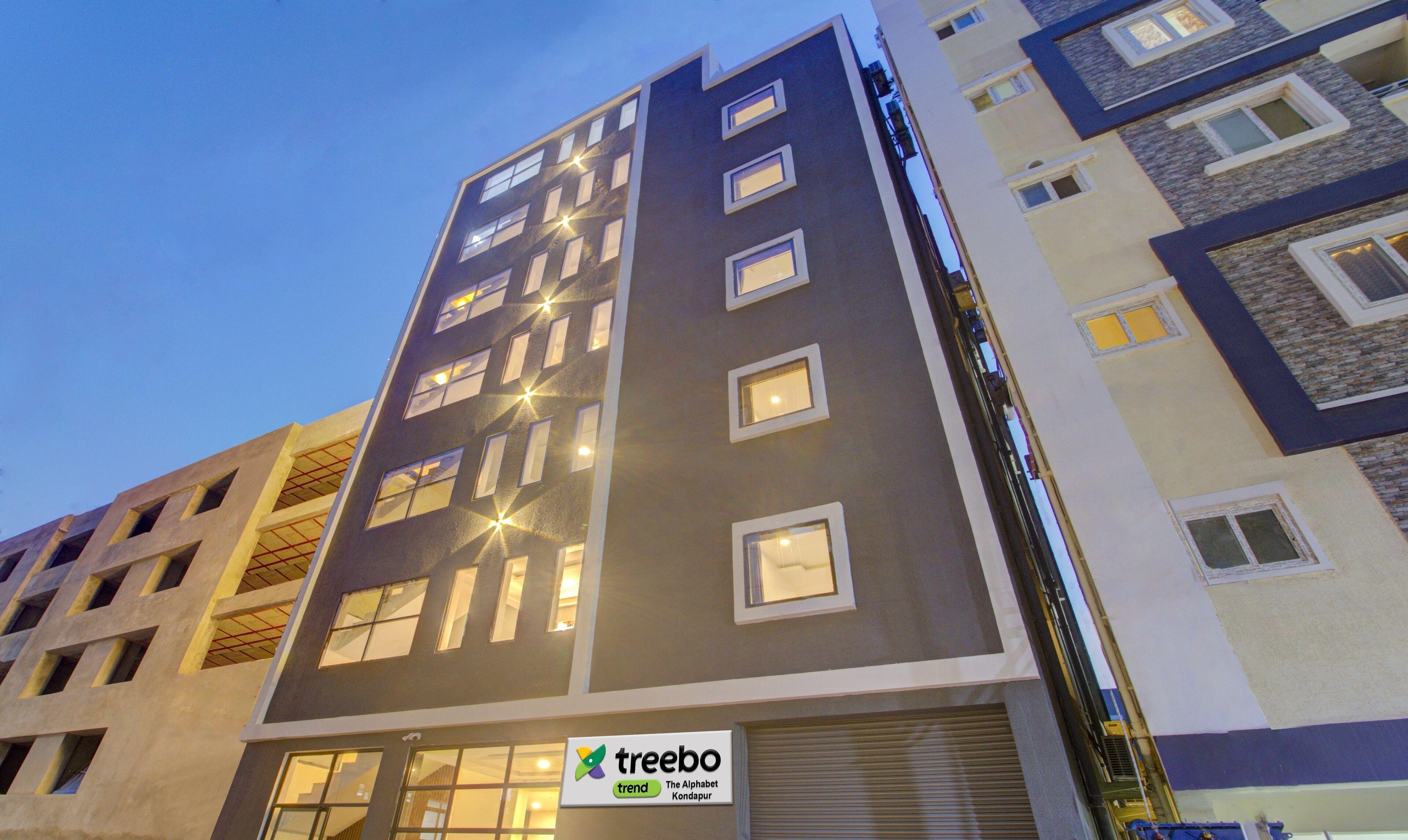
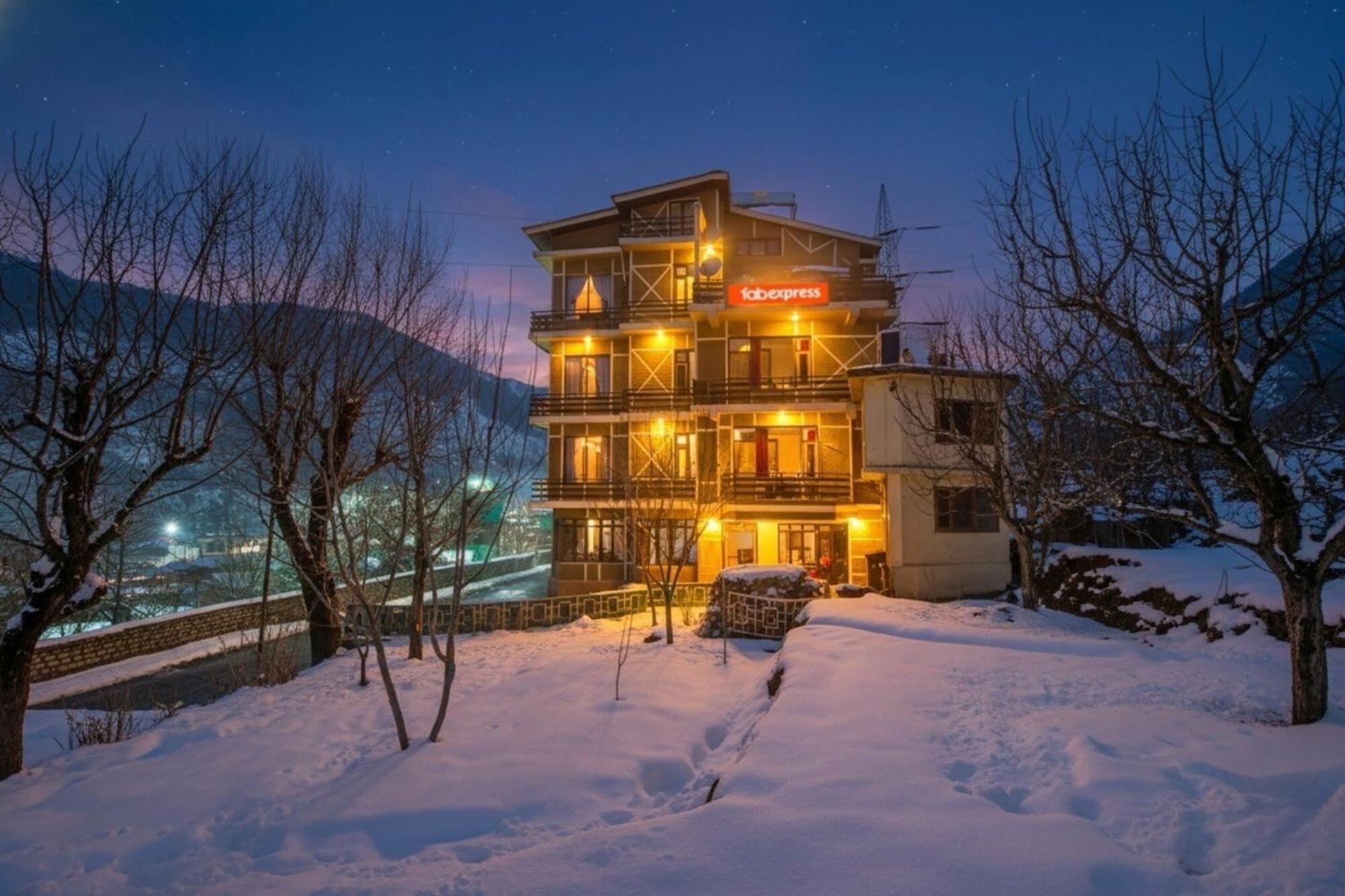
1. Fabhotel Blue Light
Show on map


 Check-infrom 12:00 until 23:59Check-outuntil 11:00
Just a few rooms left at the best rate!
fromINR 2857
-
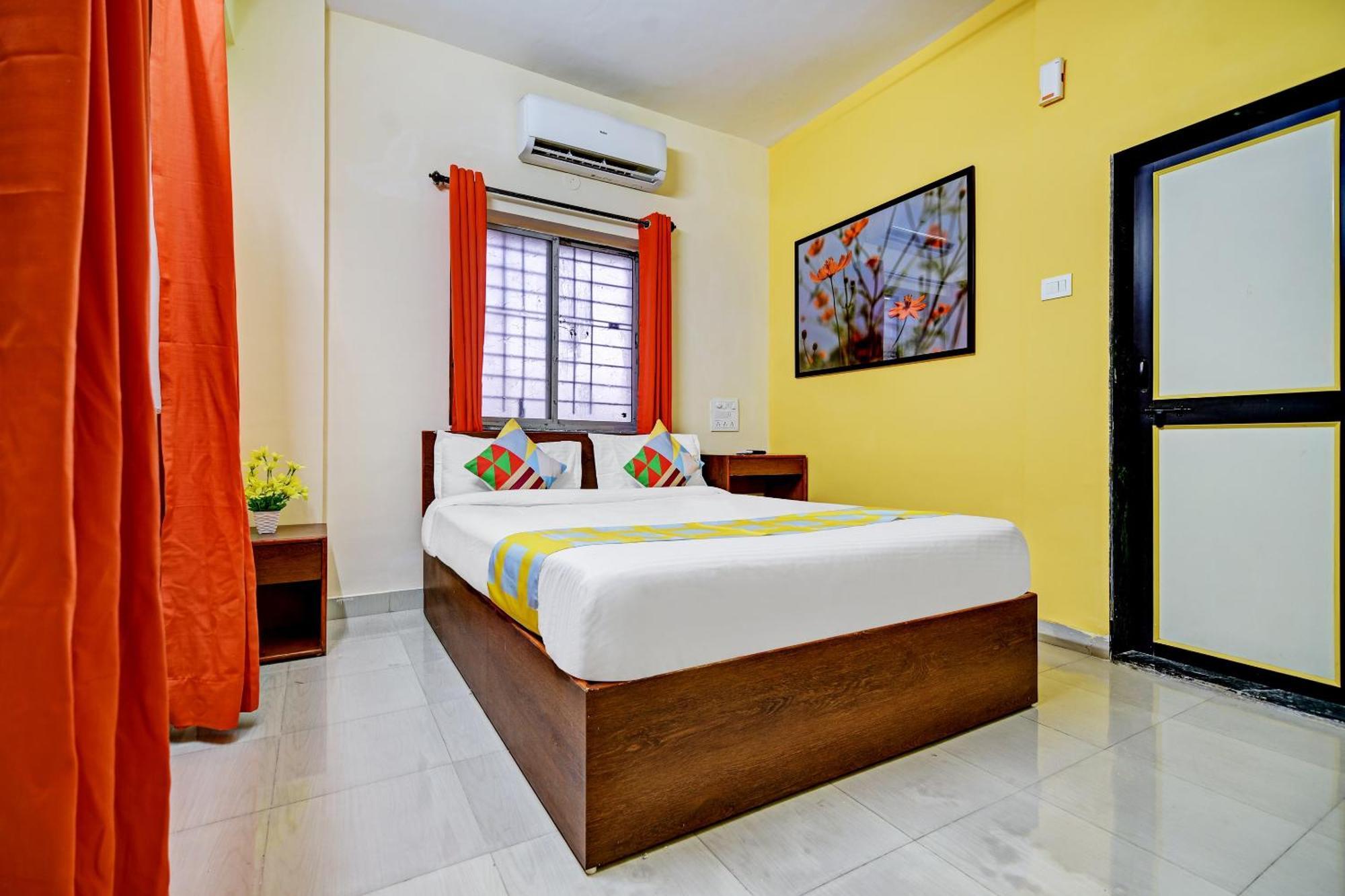
2. Hotel Lords, Fort
Show on map


 Check-infrom 14:00 until 23:59Check-outuntil 11:00
Hurry – almost gone at this price!
fromINR 4953
Smart Travel & Timing Advice for South Mumbai
The sharpest travel window for South Mumbai is November through February - temperatures stay below 30°C, humidity drops significantly, and the city's outdoor landmarks like the Gateway of India and the Oval Maidan are genuinely comfortable to explore on foot. This is also the peak booking period, so rates at 3-star hotels in the Colaba and Fort areas can rise sharply, particularly around Christmas week and the New Year period. March and April offer a useful middle ground - crowds thin, prices ease, and the weather remains manageable before the pre-monsoon heat builds. June through September is monsoon season: hotel rates fall noticeably, but continuous rain limits rooftop access, outdoor markets, and ferry services to Elephanta Island. For a South Mumbai stay, three nights is the practical minimum to cover the core heritage circuit without rushing - Colaba, the Fort precinct, Crawford Market, and Marine Drive each deserve dedicated time. Last-minute bookings are viable in the monsoon window but carry risk during winter weekends when domestic travel from Delhi and Pune fills available inventory quickly.