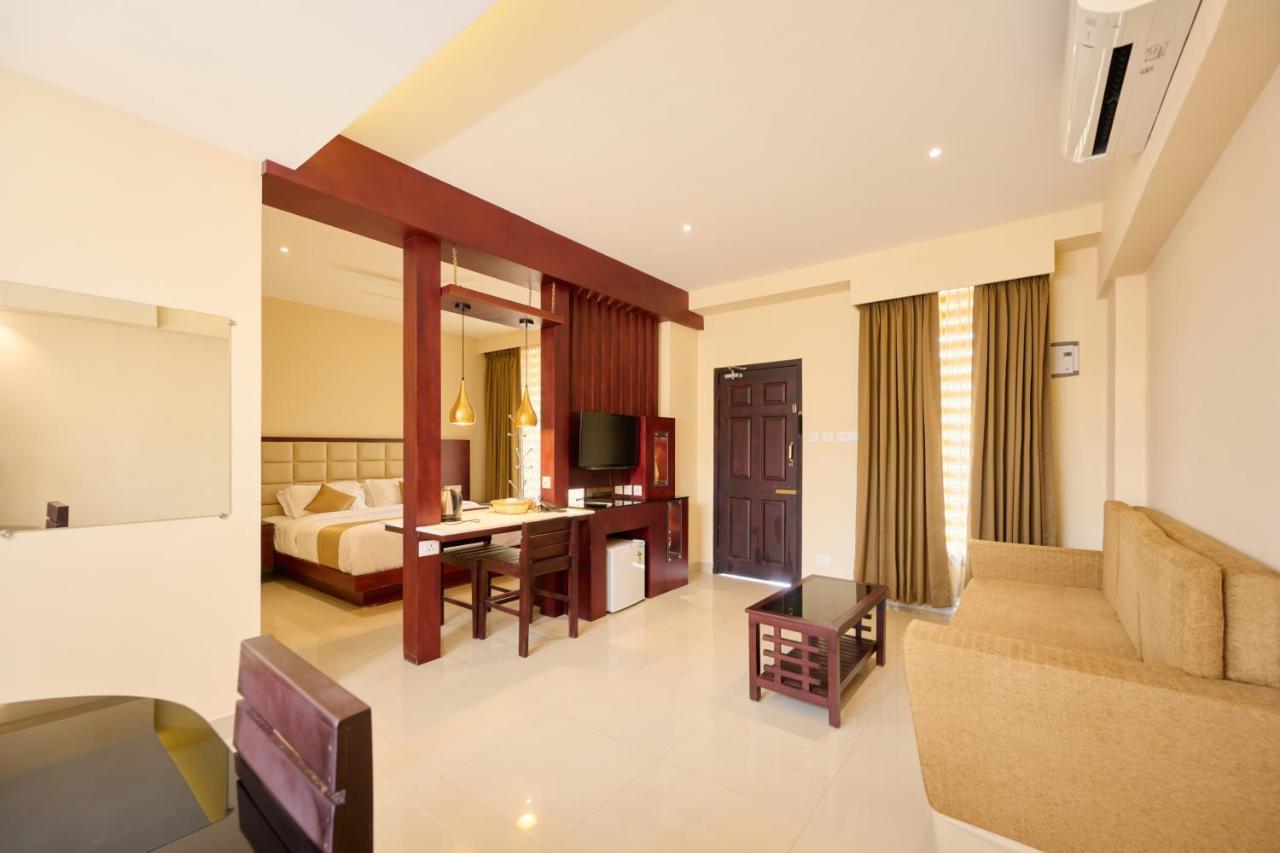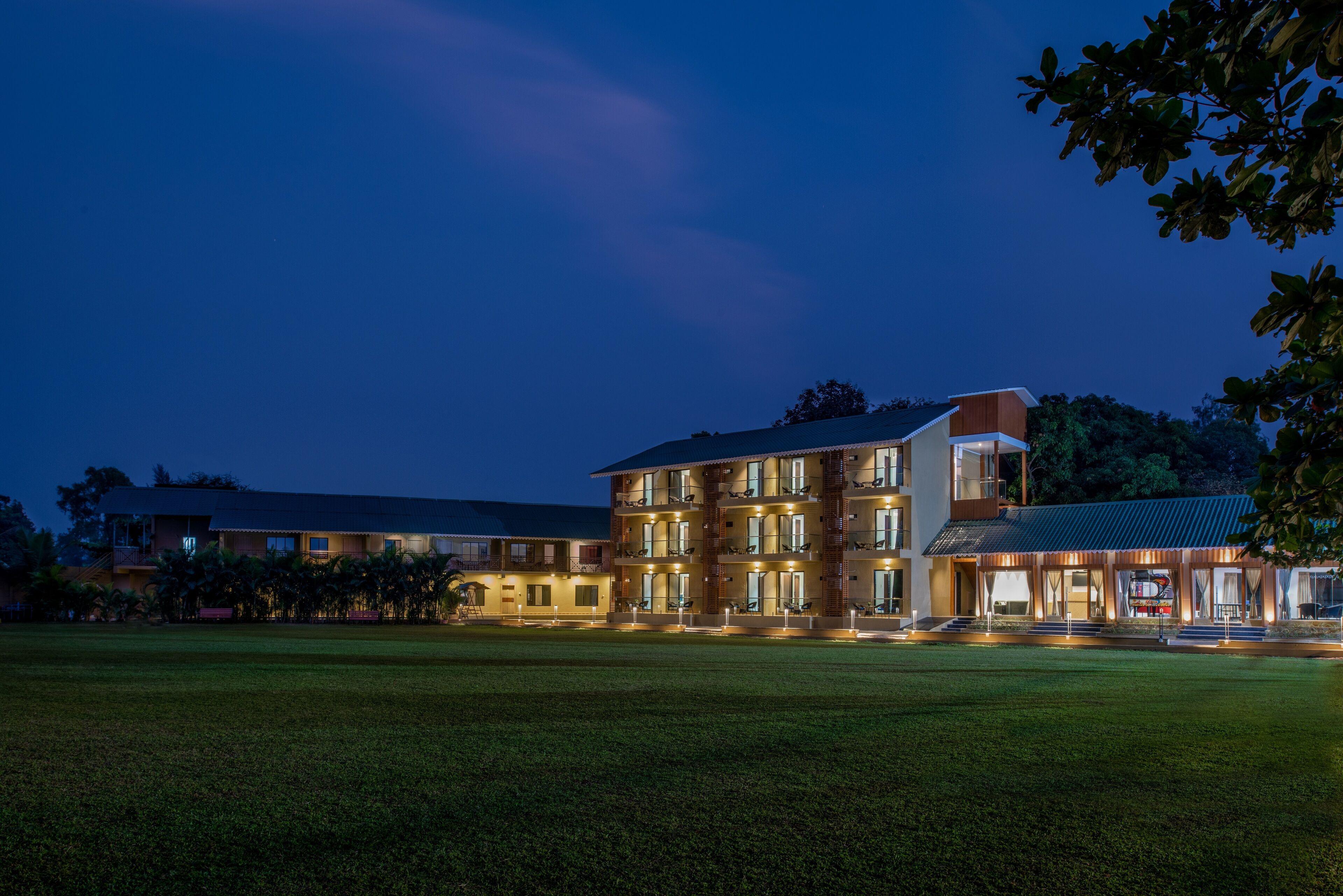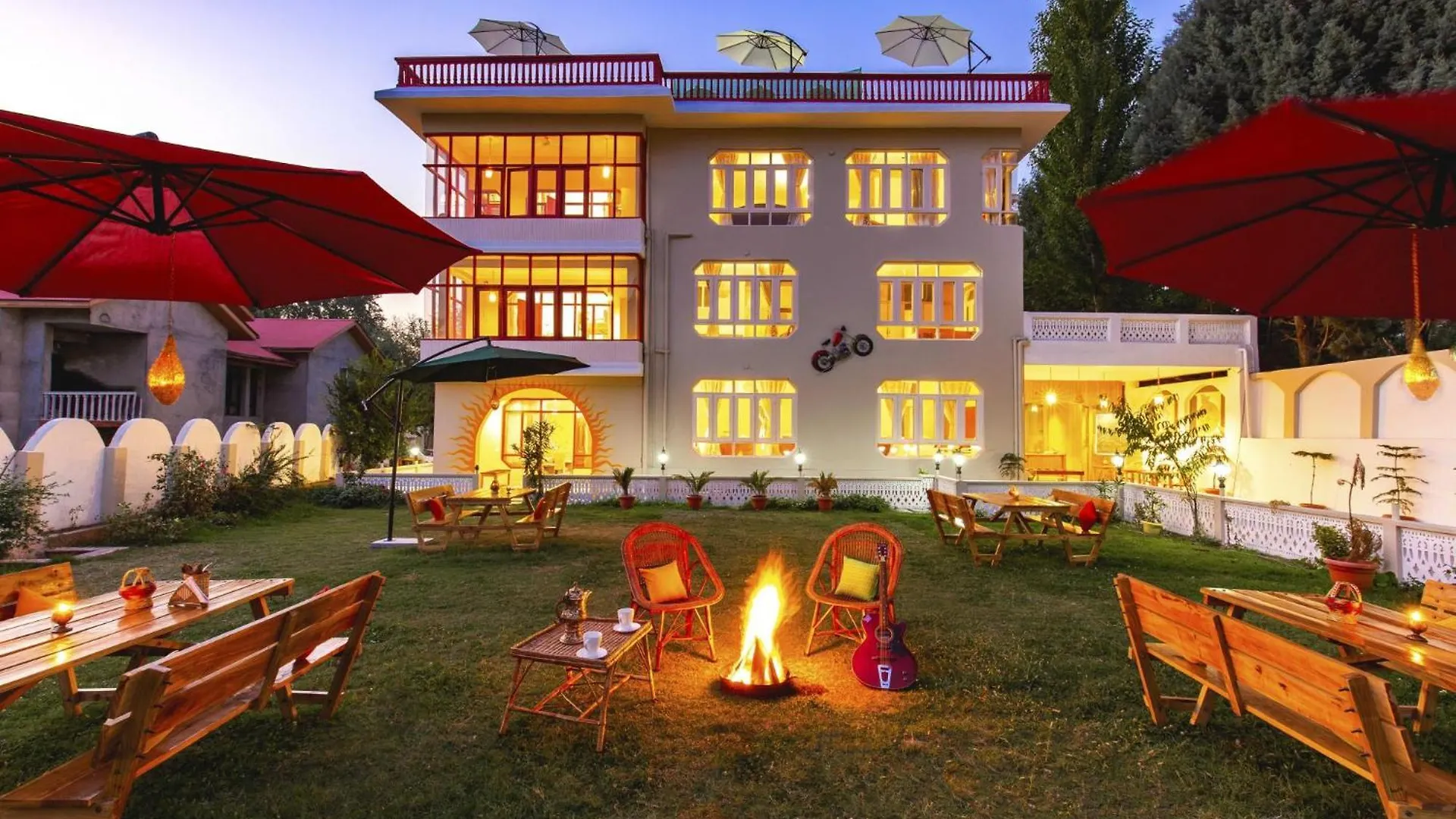
Hari Parbat is one of Srinagar's most historically significant landmarks - a hilltop fort overlooking the Dal Lake basin, surrounded by the Sharika Devi Temple, Makhdoom Sahib Shrine, and the old city's dense residential quarters. Staying near this area puts you inside the authentic fabric of Srinagar, far from the polished houseboat strips. This guide covers 4 budget and cheap hotels near Hari Parbat, comparing their actual distances, key facilities, and practical value so you can book with confidence.
What It's Like Staying Near Hari Parbat
The area around Hari Parbat sits within Srinagar's older urban core - narrow lanes, local bazaars, and residential mohallas rather than tourist-facing promenades. Most hotels within the vicinity are independent, small-scale properties with limited international-brand presence, which directly translates into lower nightly rates. Foot traffic in this zone is primarily local: morning walkers heading to the Sharika Devi Temple, traders at the Bohri Kadal market, and pilgrims visiting nearby shrines. Transport by auto-rickshaw or shared cab is the standard mode of getting around, as the terrain around the fort is hilly and not easily walkable for long distances. The area is quieter after 9 PM, with very few restaurants or late-night services within immediate walking range, which suits early risers but less so travelers who want evening activity close by.
Pros:
- Authentic local atmosphere with direct access to old-city Srinagar markets and shrines
- Lower accommodation costs compared to Dal Lake or Gupkar Road hotel zones
- Close proximity to Roza Bal Shrine, Makhdoom Sahib, and Nowhatta Chowk
Cons:
- Limited dining and nightlife options within walking distance after dark
- Roads can be congested and narrow, making private vehicle access difficult
- Fewer premium amenities in budget properties in this zone
Why Choose Budget Hotels Near Hari Parbat
Budget hotels near Hari Parbat typically offer nightly rates that run around 40% lower than comparable rooms in the Dal Lake houseboat zone or the Boulevard Road corridor. Room sizes in this category tend to be compact - functional for sleeping and storing luggage, but not spacious enough for extended work or leisure stays. The trade-off is real: you get a base close to old Srinagar's cultural sites at a fraction of the cost, but you should expect basic furnishings, occasional noise from street activity, and limited on-site services. The key differentiator of budget properties here versus mid-range hotels is the absence of amenities like room service, in-house spas, or lake views - but for travelers who spend most of the day exploring, the savings free up budget for day trips to Gulmarg or Pahalgam.
Pros:
- Lowest available nightly rates in Srinagar for independently operated properties
- Practical base for day-trip-focused itineraries covering multiple Kashmir attractions
- Some properties include breakfast, eliminating the need for early morning restaurant searches
Cons:
- Room sizes and finishes are basic - not suited for multi-week stays
- On-site amenities are minimal; no spa, pool, or premium dining at this price tier
- Noise from early-morning street activity in the old city zone is common
Practical Booking & Area Strategy
Hari Parbat sits between the old city neighborhoods of Rainawari to the north and Nawab Bazaar to the south - properties on or near Nawab Bazaar Road give the best balance of walkability to the fort's lower gates and access to shared cabs heading toward Lal Chowk. Hotels within around 6 km of Hari Parbat can reach the fort in under 15 minutes by auto-rickshaw, while those beyond 10 km - particularly in the Rajbagh area - need to factor in Srinagar's unpredictable traffic, especially during morning namaz hours and evening market rush. Book at least 6 weeks ahead for travel between April and June, when the Tulip Garden season drives city-wide occupancy up sharply. For sightseeing beyond the fort itself, the area provides easy access to Roza Bal Shrine (around 2 km south), Nowhatta Chowk bazaar, and the Jama Masjid - all reachable by a short auto-rickshaw ride. The Rajbagh and Dal Lake Road zones serve as practical transport hubs for reaching Srinagar Airport or onward shared taxis to Gulmarg. Night-time safety near Hari Parbat is generally stable, but poorly lit lanes near the fort perimeter warrant awareness after 9 PM.
Best Value Stays
These properties offer the lowest entry price points in the selection, with functional amenities suited for travelers prioritizing cost savings and independent exploration over on-site comfort.
-
1. Zostel Srinagar
Show on map


 Check-infrom 13:00 until 23:59Check-outuntil 10:00
Just a few rooms left at the best rate!
fromINR 948
-
2. Hotel New Green View A Part
Show on map


 Check-infrom 23:00Check-outfrom 08:00 until 12:00
Just a few rooms left at the best rate!
fromINR 948
Best Premium Options
These properties sit at the higher end of the budget tier, offering more space, additional facilities, or better-positioned locations for travelers wanting more comfort without moving into mid-range pricing.
-
3. Hotel The Casa
Show on map


 Check-infrom 14:00 until 18:00Check-outfrom 10:00 until 11:00
Hurry – almost gone at this price!
fromINR 2466
-
4. Green Resort
Show on map


 Check-infrom 08:00 until 23:00Check-outuntil 08:00
Rooms filling fast – secure the best rate!
fromINR 1043
Smart Travel & Timing Advice
Srinagar's peak demand window runs from late March through June, driven by the Tulip Garden season in April and the broader Kashmir spring tourism surge. During this period, even budget hotels near Hari Parbat can see occupancy spike sharply, and last-minute bookings frequently result in either unavailability or elevated rates. Book at least 6 weeks ahead for April and May travel to secure the best rates at properties like Hotel New Green View A Part or Hotel The Casa. July and August bring the Amarnath Yatra pilgrimage season, which increases pressure on accommodation across the city, particularly in the old city neighborhoods closest to Hari Parbat. The quietest and most affordable window is November through February - winter in Kashmir means far fewer tourists, lower nightly rates, and a different landscape entirely, with potential snow on the Hari Parbat hillside. A 3-night stay is generally the minimum that makes sense for exploring the Hari Parbat zone, old city bazaars, Hazratbal Mosque, and one or two day trips to the surrounding Valley. Early booking in shoulder season (September-October) offers the best balance of reasonable prices, manageable crowds, and stable weather for sightseeing around the fort.