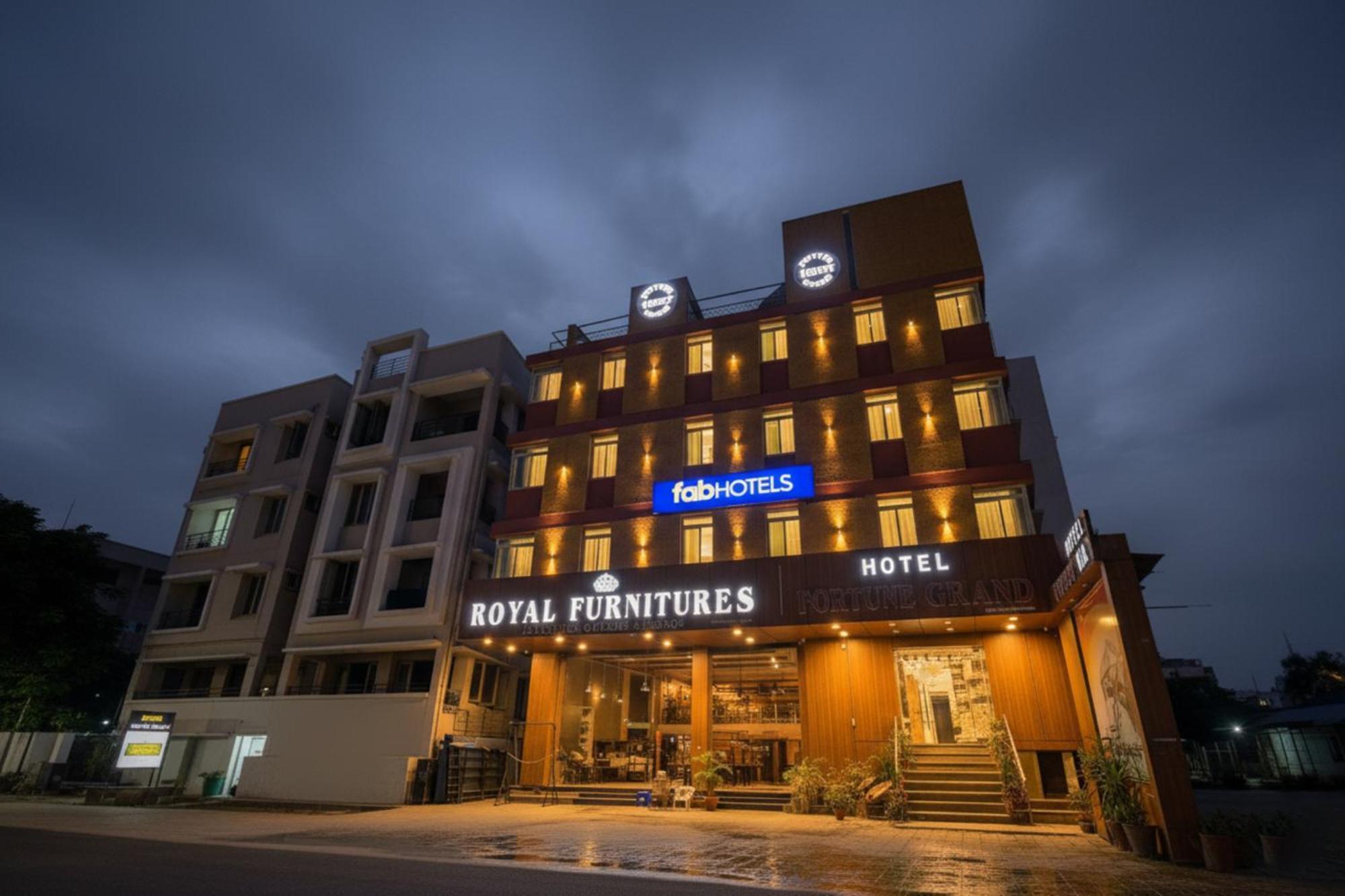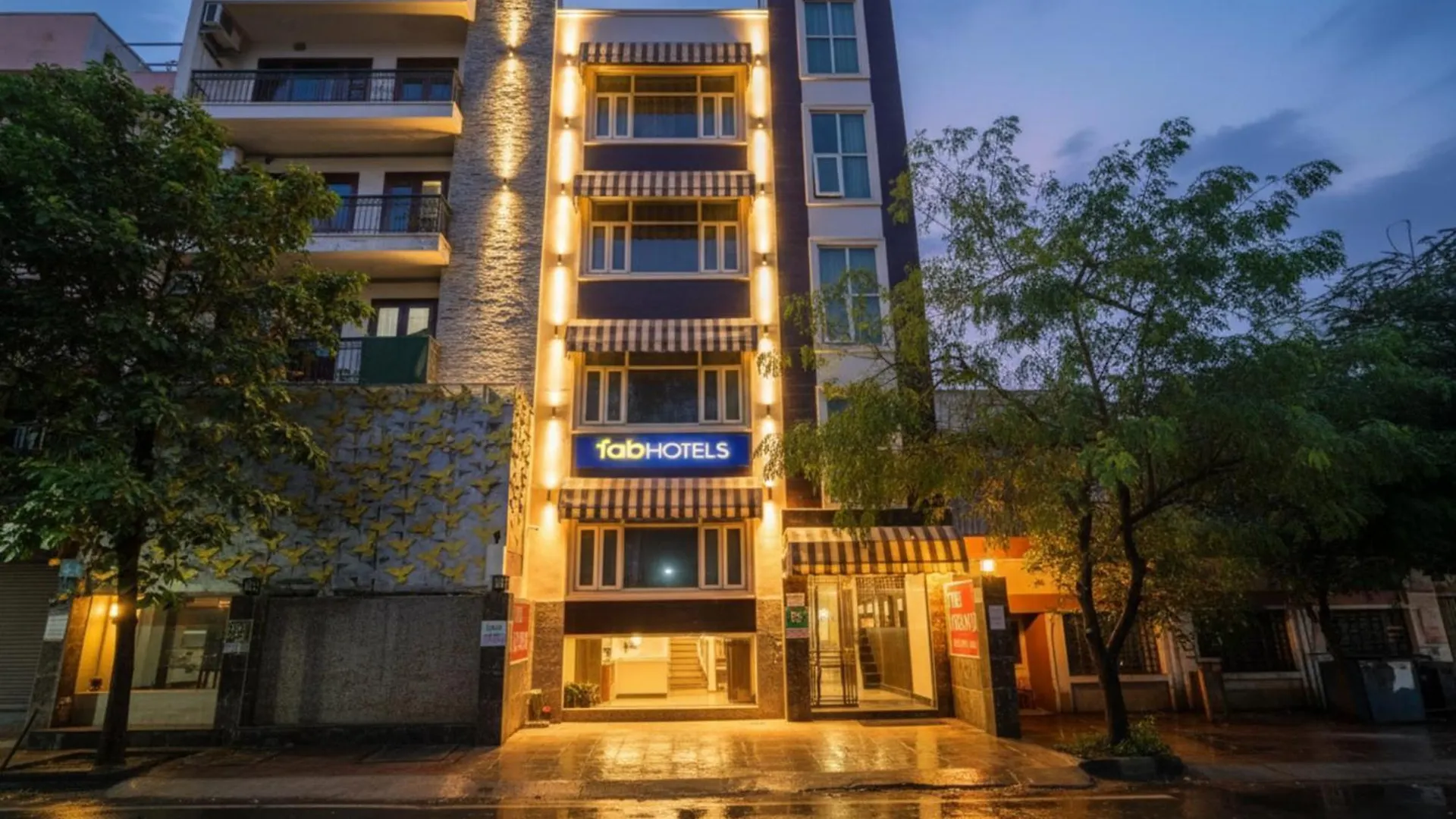
Lotus Temple draws millions of visitors to South Delhi each year, and the neighborhoods surrounding it - Bahapur, Govindpuri, Kalkaji, and Greater Kailash - offer a dense cluster of budget and mid-range hotels including several FabHotel-branded properties. This guide covers 6 FabHotels near Lotus Temple to help you pick the right base based on distance, transport access, and what each property actually delivers.
What It's Like Staying Near Lotus Temple
The area around Lotus Temple sits in South Delhi, a zone that feels noticeably less chaotic than Paharganj or Old Delhi but is still dense with local traffic on arterial roads like Bahapur Road and Nehru Place flyover. Kalkaji and Govindpuri - the two closest neighborhoods - are primarily residential with market strips, auto-rickshaw stands, and mid-range eateries rather than tourist infrastructure. The Lotus Temple Metro Station (Violet Line) makes the area genuinely well-connected, putting central Delhi around 30 minutes away by rail.
Foot access to the temple itself is realistic from hotels within around 2 km, but beyond that, autos or the metro become necessary. Crowd density at the temple peaks sharply on weekends and public holidays, which affects street traffic near lodging options in the immediate vicinity.
Pros:
- Direct Violet Line metro access reduces dependency on road transport significantly
- South Delhi's residential character means quieter streets after 10 PM compared to tourist-heavy zones
- Proximity to Nehru Place, Saket, and Greater Kailash adds practical amenities like malls, pharmacies, and dining
Cons:
- Limited walking infrastructure - footpaths near Govindpuri and Bahapur are inconsistent
- Auto-rickshaw overcharging is common for tourists unfamiliar with local rates near the temple
- Few internationally recognizable dining or café chains within immediate walking distance of most hotels
Why Choose FabHotels Near Lotus Temple
FabHotel-branded properties in this part of South Delhi sit firmly in the budget-to-lower-mid-range segment, typically priced under ₹2,500 per night for a standard double room. These properties have standardized around free WiFi, air conditioning, and 24-hour front desks - basics that independent budget hotels in the area don't always guarantee. Room sizes are modest, generally between 120 and 180 sq ft, which is normal for this price band in Delhi but worth noting if you're traveling with luggage-heavy itineraries or staying more than two nights.
Compared to OYO properties in the same corridors, FabHotel-branded options tend to have slightly more consistent cleanliness scores and better-maintained private bathrooms based on aggregated guest reviews. The trade-off is that these properties rarely offer on-site restaurants, parking is limited, and common areas are minimal. Breakfast availability - when offered - is typically à la carte or a simple vegetarian spread rather than a buffet.
Pros:
- Standardized free WiFi and air conditioning across the brand's properties in this zone
- More consistent room quality compared to unbranded budget hotels at similar price points
- Family room configurations are available at several properties, useful for groups of 3 or 4
Cons:
- No on-site restaurants at most properties - dining requires leaving the hotel
- Room sizes are compact and not suited for extended stays with heavy luggage
- Limited amenities beyond the basics - no gym, pool, or business center
Practical Booking & Area Strategy
Hotels positioned along or near Nehru Place-Kalkaji corridor offer the best combination of metro access and proximity to Lotus Temple - the Kalkaji Mandir and Lotus Temple metro stations (Violet Line) are the two most relevant stops, and properties within 500 meters of either station effectively eliminate the need for auto-rickshaws for most sightseeing. Hotels further south toward Chattarpur sit closer to Qutub Minar and the Mehrauli Archaeological Park but add around 20 minutes of travel time back to the temple by metro.
Beyond Lotus Temple itself, the immediate area puts you within easy reach of ISKCON Temple (around 4 km), Humayun's Tomb (around 5 km via metro), and the Saket Select Citywalk mall for evenings. Book at least 3 weeks ahead during October-February, when Delhi's peak tourist season drives occupancy up sharply and FabHotel properties in South Delhi can sell out. The Noida-side property (Sector 19) is a viable alternative if Delhi-side options are full, though it adds commute time for Lotus Temple visits.
Best Value Stays
These properties deliver the core FabHotel experience - air conditioning, free WiFi, private bathrooms, and 24-hour service - at the most accessible price points near Lotus Temple and the surrounding South Delhi neighborhoods.
-
1. Via Jpm The Grand Bella
Show on map


 Check-infrom 12:00 until 23:59Check-outuntil 11:00
Just a few rooms left at the best rate!
fromINR 6763
-
2. Fabhotel F9 Nfc
Show on map


 Check-infrom 12:00 until 23:59Check-outuntil 11:00
Just a few rooms left at the best rate!
fromINR 3905
-
3. Fabhotel Lord Inn
Show on map


 Check-infrom 12:00 until 23:59Check-outuntil 11:00
Hurry – almost gone at this price!
fromINR 4858
Best Premium Stays
These properties offer stronger positioning, additional services, or notable differentiators that justify a slight step up in rate compared to the base-tier options in the same South Delhi zone.
-
4. Via Chattarpur Enclave
Show on map


 Check-infrom 12:00 until 23:59Check-outuntil 11:00
Hurry – almost gone at this price!
fromINR 4572
-
5. Fabhotel Majestic Jpm I
Show on map


 Check-infrom 12:00 until 23:59Check-outuntil 11:00
Rooms filling fast – secure the best rate!
fromINR 6953
-
6. Fabhotel F9 Sector 19
Show on map


 Check-infrom 12:00 until 23:59Check-outuntil 11:00
Rooms filling fast – secure the best rate!
fromINR 5239
Smart Travel & Timing Advice
South Delhi's hotel prices near Lotus Temple follow Delhi's broader tourism seasonality. October through February is the peak window - temperatures are comfortable, visibility is better, and domestic tourism surges during Diwali (October-November) and the winter holiday period. Book at least 3 weeks in advance for stays during these months, particularly for weekends when FabHotel inventory in Kalkaji and East of Kailash sells out faster than weekday availability. March sees a short shoulder window before temperatures begin climbing, offering a brief price dip without the crowd intensity of peak winter.
April through June is when Delhi heat is most aggressive, and hotels in this zone without strong air conditioning become uncomfortable - all FabHotel properties include AC, which is a genuine requirement rather than a luxury during this period. July through September brings the monsoon, which reduces tourist crowds and drops prices by around 25%, but also creates waterlogging issues on some Kalkaji and Govindpuri side streets that affect walking access. Two nights is the practical minimum for a Lotus Temple-focused South Delhi itinerary - enough to cover the temple, ISKCON, and one more site like Humayun's Tomb without rushing. Last-minute bookings in monsoon season can yield the best value if you're flexible with property choice.