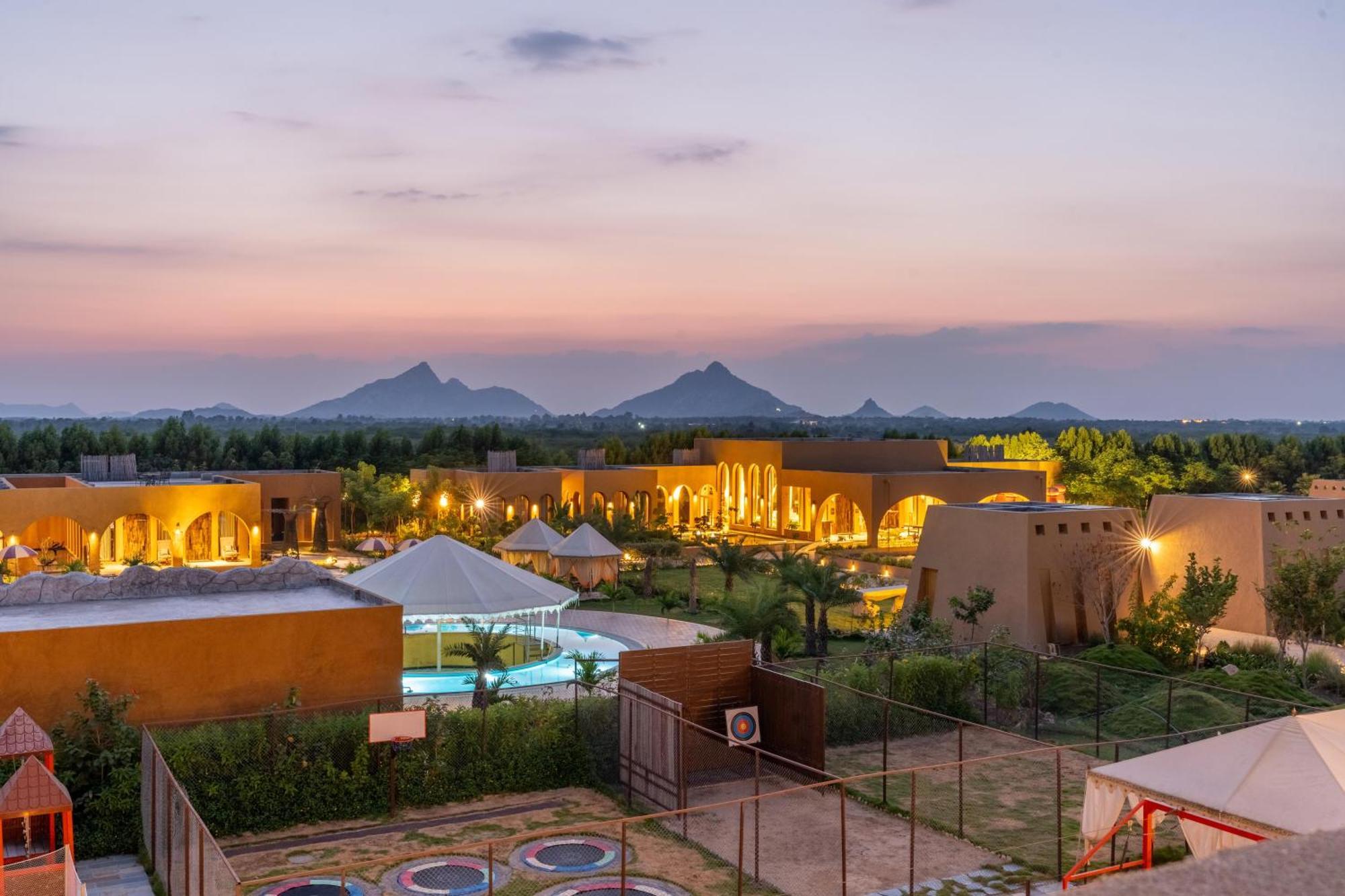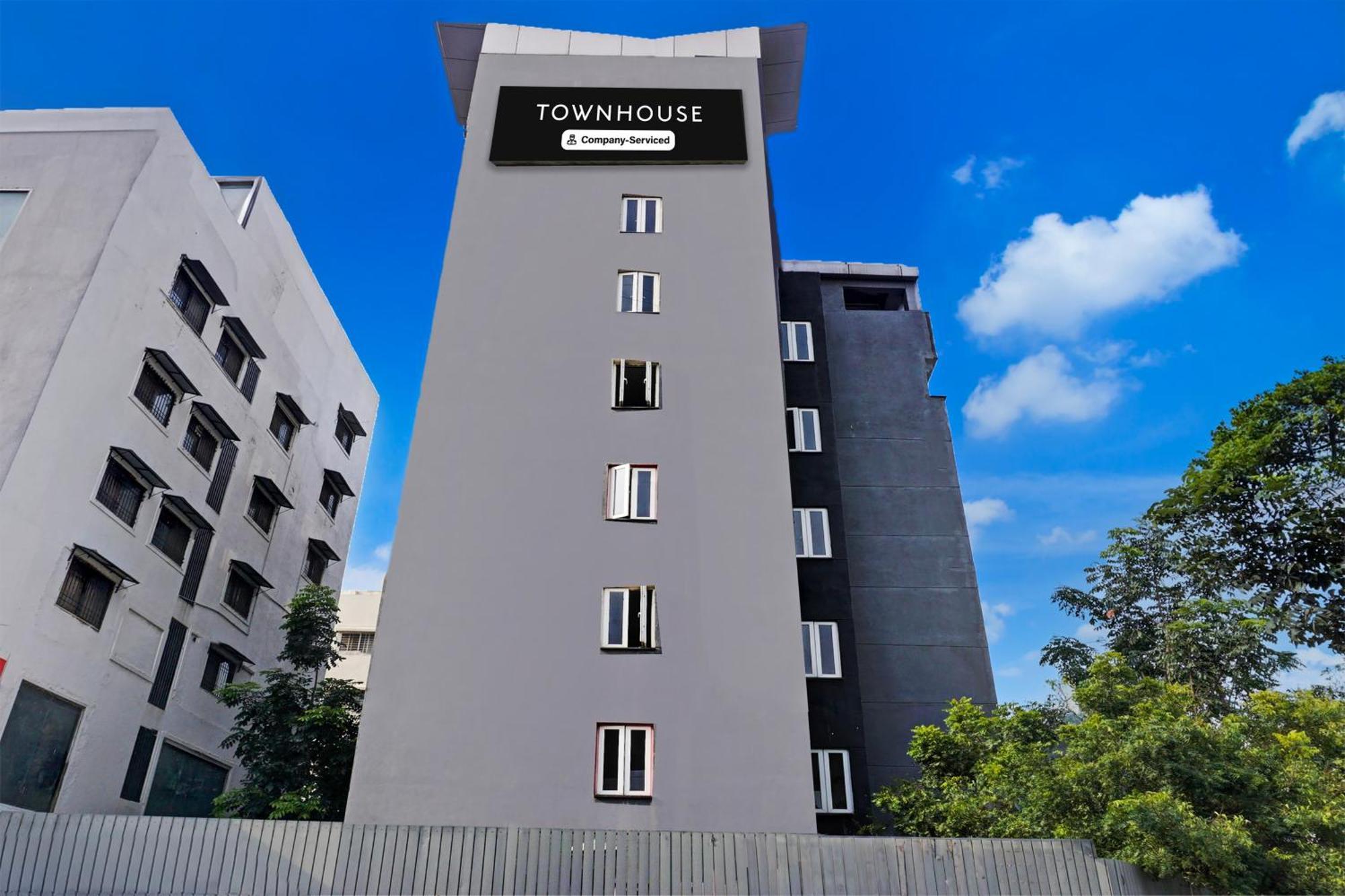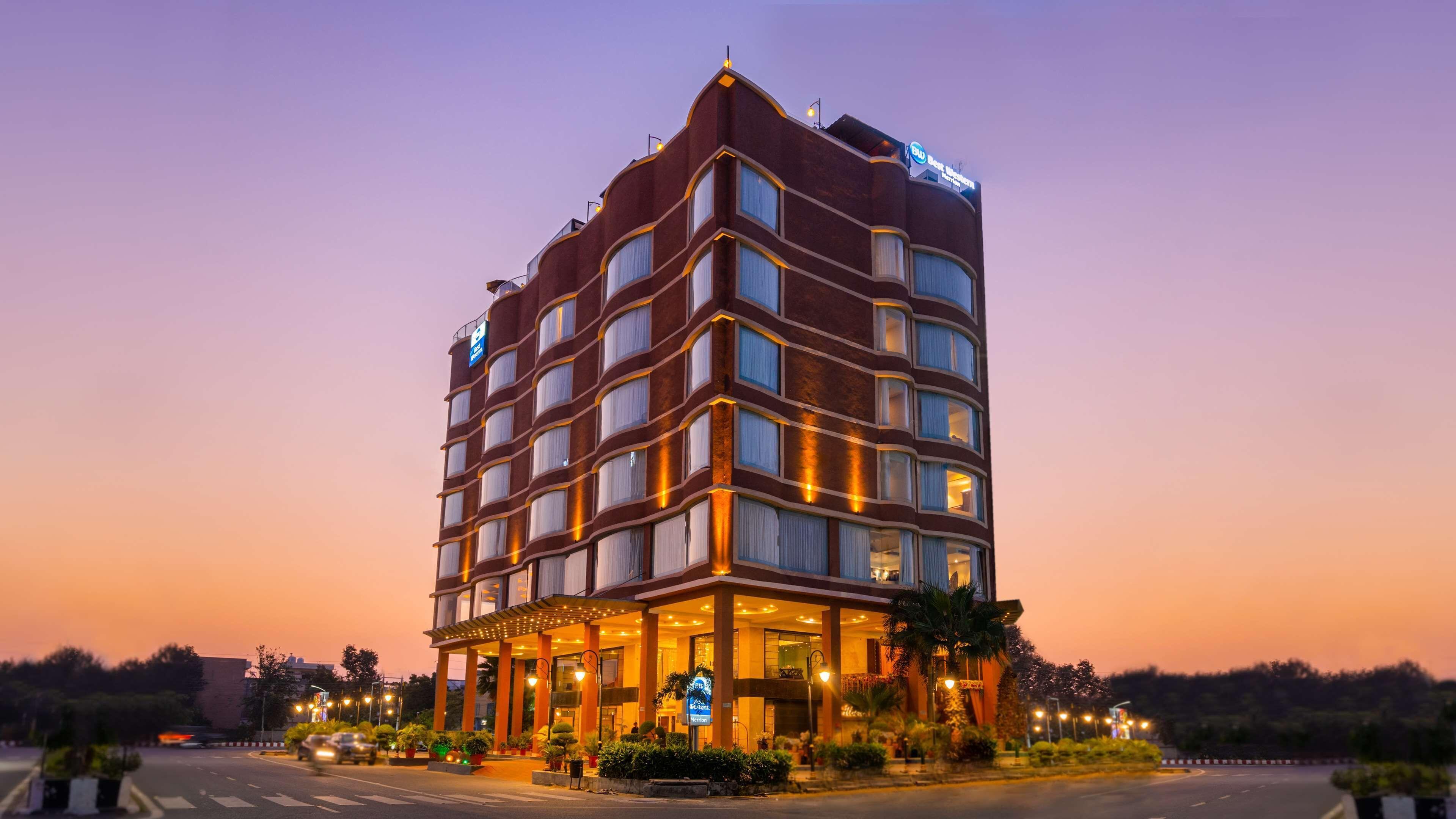
Kashi Vishwanath Temple sits at the spiritual core of Varanasi's old city, surrounded by narrow ghats lanes, constant ritual activity, and some of India's most atmospheric street life. Choosing where to stay relative to this landmark directly shapes your daily experience - from how early you can attend morning aarti at Dashashwamedh Ghat to how much urban noise reaches your room at night. This guide covers four hotels positioned at different distances from the temple, with direct comparisons to help you decide which one fits your visit.
What It's Like Staying Near Kashi Vishwanath Temple
The area immediately surrounding Kashi Vishwanath Temple is one of the densest urban zones in Varanasi - a tightly woven grid of narrow galis (lanes) no wider than two meters in some stretches, lined with marigold vendors, chai stalls, and pilgrims moving at all hours. Vehicular access is essentially impossible within the inner temple precinct, so hotels close to the temple rely on foot access only, meaning luggage handling is done by hand or porter. Noise levels remain high past midnight, particularly during festival periods like Diwali, Mahashivaratri, and Dev Deepawali, when the entire Vishwanath Gali corridor becomes impassable with crowds.
Staying within walking distance gives you direct, immediate access to the morning aarti at Dashashwamedh Ghat - one of the most attended rituals in India - without needing any transport. Hotels slightly farther out, in areas like Sigra or near Varanasi Junction, trade proximity for quieter surroundings, larger rooms, and easier vehicle access.
Pros:
- Walking distance to Dashashwamedh Ghat, Manikarnika Ghat, and the temple complex itself - no transport needed for the main pilgrimage circuit
- Immersive access to the old city's food lanes, street markets, and ghats atmosphere at any hour
- Shorter pre-dawn commute for early morning rituals, which typically begin before 5 AM
Cons:
- Persistent noise from temple bells, street vendors, and foot traffic makes light sleepers vulnerable throughout the night
- No vehicle access in the innermost lanes - luggage must be carried on foot for the final stretch to most ghat-area hotels
- Air quality and sanitation standards in the immediate old city area are noticeably lower than in Cantonment or Civil Lines neighborhoods
Why Choose Hotels Near Kashi Vishwanath Temple
Hotels positioned near Kashi Vishwanath Temple vary significantly in what they deliver depending on their exact distance from the temple precinct. Properties within the old city lanes typically offer smaller rooms and basic facilities but place you at the center of Varanasi's pilgrimage rhythm, while hotels at around 3 to 7 km offer structured amenities - restaurants, pools, and reliable vehicle access - at a fraction of the disruption. Price premiums for proximity in this zone are less about luxury and more about access convenience, so the trade-off is almost always comfort versus immersion.
In this selection, the properties range from heritage palace stays with spa access to riverside kothi-style guesthouses close to the ghats, meaning the category spans a wide spectrum of traveler priorities. Heritage and boutique-style properties near Varanasi's ghats tend to book out around 6 weeks before major Hindu festivals, making advance reservation critical for the high-demand window between October and March.
Pros:
- Heritage and riverside properties offer architecture and atmosphere that chain hotels in newer districts cannot replicate
- Direct proximity to the ghats means spontaneous early-morning access without pre-planned transport logistics
- Restaurants inside ghat-adjacent hotels often serve some of Varanasi's most reliable hygienic meal options, important in a city where street food safety varies
Cons:
- Room sizes in ghat-adjacent hotels are typically smaller than equivalent-priced hotels in Cantonment, given the structural constraints of old buildings
- Amenities like pools and fitness centers are rare within the old city; you need to stay farther out to access them
- Check-in and checkout logistics can be complicated by foot-only access lanes, especially with large luggage
Practical Booking & Area Strategy
The most strategic positioning for visiting Kashi Vishwanath Temple depends on what you prioritize. For direct ghat access, hotels along or near Vishwanath Gali, Dashashwamedh Road, and Meer Ghat put you within a 5-minute walk of the temple's main northern entrance, but these streets are foot-traffic only and involve navigating extremely crowded corridors. The second tier - properties along Bengali Tola, Sigra, or near Varanasi Cantt - sit around 3 to 5 km from the temple and allow vehicle access, which matters when arriving late or leaving early for the airport.
Varanasi Junction Railway Station serves as the city's main transport hub and sits roughly 4 km from the temple; most hotels in this guide are bookable via direct cab from the station in under 20 minutes outside peak hours. Lal Bahadur Shastri International Airport is approximately 25 km from the old city, and traffic on NH19 during morning hours can push transfer times to 45 minutes or more. Book at least 8 weeks in advance for stays during Mahashivaratri (February/March) or Dev Deepawali (November), when the entire riverfront fills and even mid-range properties sell out entirely. Beyond the temple and ghats, the nearby attractions worth planning around include Sarnath Buddhist site (around 10 km north), Ramnagar Fort (14 km by road), and the Banaras Hindu University campus, which houses the Bharat Kala Bhavan museum.
Best Value Stays
These properties offer functional accommodations with solid facilities at accessible price points, positioned to serve visitors focused on ghat access and the Kashi Vishwanath Temple circuit.
-
1. Hotel Golden Petals
Show on map


 Check-infrom 13:00 until 23:59Check-outfrom 11:00 until 12:00
Just a few rooms left at the best rate!
fromINR 6638
-
2. The Fern Residency Sarnath
Show on map


 Check-infrom 14:00 until 23:59Check-outuntil 12:00
Just a few rooms left at the best rate!
fromINR 15932
Best Premium Stays
These two properties represent the upper end of the selection - one offering riverside heritage immersion close to the ghats, the other a palace-standard retreat with full luxury infrastructure on the city's quieter western edge.
-
3. Guleria Kothi At Ganges
Show on map


 Check-infrom 14:00 until 23:30Check-outfrom 09:00 until 12:00
Hurry – almost gone at this price!
fromINR 22380
-
4. Taj Nadesar Palace
Show on map


 Check-infrom 14:00 until 23:59Check-outuntil 12:00
Rooms filling fast – secure the best rate!
fromINR 73305
Smart Travel & Timing Advice
Varanasi's peak travel season runs from October through March, when cooler temperatures make ghat walks and outdoor rituals manageable and major Hindu festivals draw massive pilgrimage crowds. Dev Deepawali in November - when the ghats are lit with hundreds of thousands of oil lamps - is the single most booked period of the year; hotels within 3 km of Kashi Vishwanath Temple can sell out up to 10 weeks in advance for that window. Mahashivaratri (February or March depending on the lunar calendar) triggers a second surge, with the temple itself seeing extraordinary foot traffic requiring crowd management by authorities.
The monsoon period from July through September is Varanasi's quietest season - ghats become partially submerged, humidity is intense, and the Ganges runs brown with silt - but hotel rates can drop significantly, making it viable for travelers whose priority is the temple itself rather than the ghat experience. For most first-time visitors, a stay of 3 nights gives sufficient time for morning and evening aarti, a Ganges boat ride at dawn, a Sarnath day trip, and the old city food and market circuit without feeling rushed. Last-minute booking is inadvisable between October and March; outside that window, same-week availability is common even at the better properties.