
Why Choose To Study In China?
maybe the best choice To your future
With the growing strength of China and the increasing number of students studying in China, “Study in China” is becoming a new brand of studying abroad.
According to the statistics released on the website of the Ministry of education, in 2018, 492185 foreign students of various types from 196 countries and regions studied in 1004 colleges and universities in 31 provinces (autonomous regions and municipalities), and China continues to maintain its position as Asia’s largest destination for overseas students.
At the same time, the professional structure of international students is constantly optimized. The number of students studying engineering, management, science, art, and agriculture has increased significantly, with a year-on-year increase of more than 20%, which shows that the professional education of natural sciences in China is becoming more and more attractive.
But
Why do so many people choose to study in China?
Do you really know China?
Is it really suitable for you to study in China?
…
Don’t worry,
If you read this guide carefully and completely,
You will get the right answer!
OK
let’s go
When talk about China,
what’s the first image jumping out from your mind?
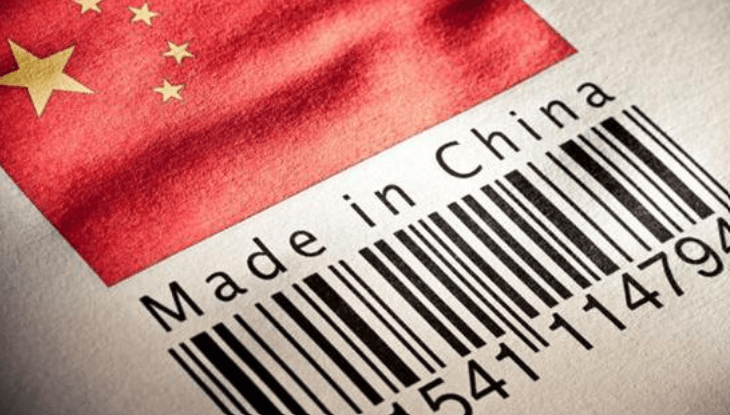
Is it something marked as “Made in China” that you are using or wearing at that moment?
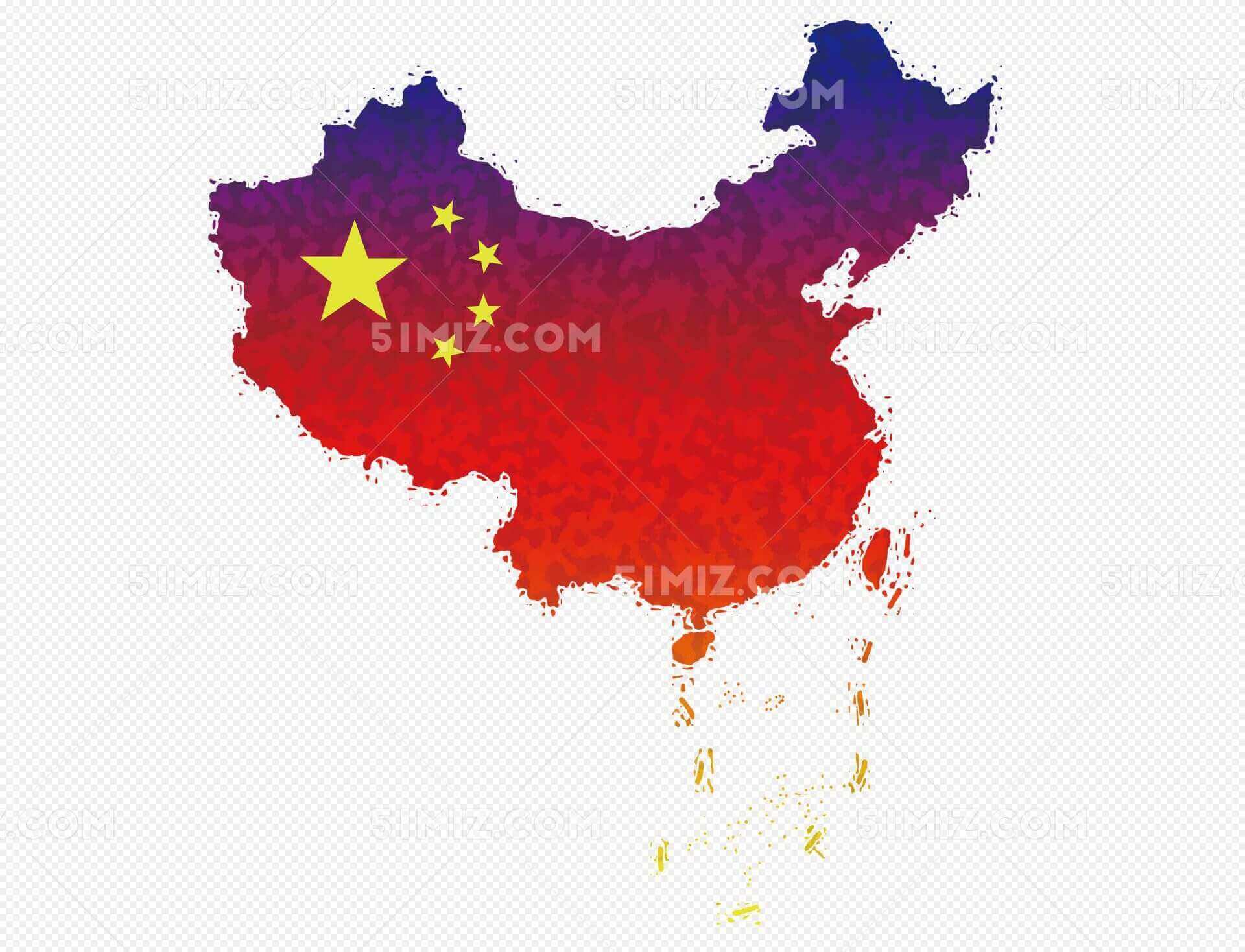
Is it a rooster shaped country on the east side of the map as the final exam of geography is coming next week?
Or nicely packed take-out food from Chinese restraunt such as Gongbao Chicken or Mapo Toufu..


Cool!
what else?
you want to know more?
Just read on,
or you can click on the contents
to jump to the paragraph you are interested in.






Chapter 1
Basic Information of China

Chapter 2
China has long history : One of the Four ancient civilizations
China, based on Chinese civilization and Chinese culture, is one of the countries with the longest history in the world. The Chinese people of all ethnic groups have jointly created a splendid culture and a glorious revolutionary tradition.
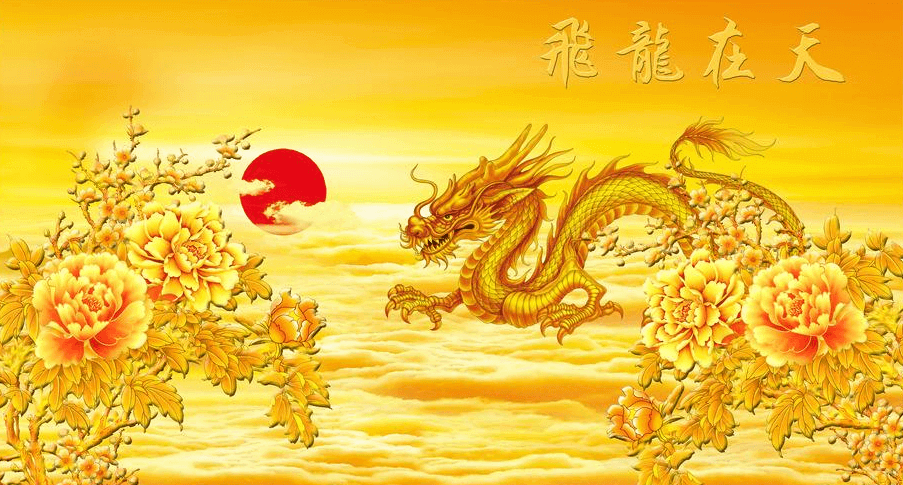
China is a multi-ethnic country with the Han nationality as the main ethnic group. Chinese and Chinese characters are commonly used in China. The Han nationality and ethnic minorities are collectively referred to as the “Chinese nation” and call themselves “descendants of the Chinese people” and “descendants of the dragon”.
China is one of the four ancient civilizations in the world. Around 5800 years ago, the Yellow River, the middle and lower reaches of the Yangtze River and the Xiliao River showed signs of the origin of civilization; around 5300 years ago, all regions of China entered the stage of civilization; around 3800 years ago, the Central Plains formed a more mature form of civilization, and radiated cultural influence to the four sides; After many times of ethnic blending and dynasty changes, the unified situation of a multi-ethnic country was formed.

In the early 20th century, after the revolution of 1911, the feudal monarchy was abolished and the bourgeois democratic republic was founded. After the founding of the People’s Republic of China in 1949, the socialist system of people’s democratic dictatorship was established in Chinese mainland.
China has a vast territory and many nationalities. In the pre Qin period, the Huaxia nationality flourished in the Central Plains. In the Han Dynasty, the Han nationality was formally formed through cultural blending, which laid the foundation for the main nationality of China. After that, it gradually formed a unified multi-ethnic country by blending with the surrounding ethnic groups, and the population also continued to rise. The population of China in Song Dynasty exceeded 100 million, that in Qing Dynasty exceeded 400 million, and that in 2005 exceeded 1.3 billion.
Chinese culture has a long history, is broad and profound, and is colorful. It is the cultural sovereign country in the East Asian cultural circle, and occupies an important position in the world cultural system. Due to the differences in geographical location and natural conditions, the humanities and economy also have their own characteristics. Traditional cultural and artistic formsc forms include poetry, opera, calligraphy, traditional Chinese painting, etc., while Spring Festival, Lantern Festival, Qingming Festival, Dragon Boat Festival, Mid Autumn Festival, Double Ninth Festival are important traditional festivals in China.
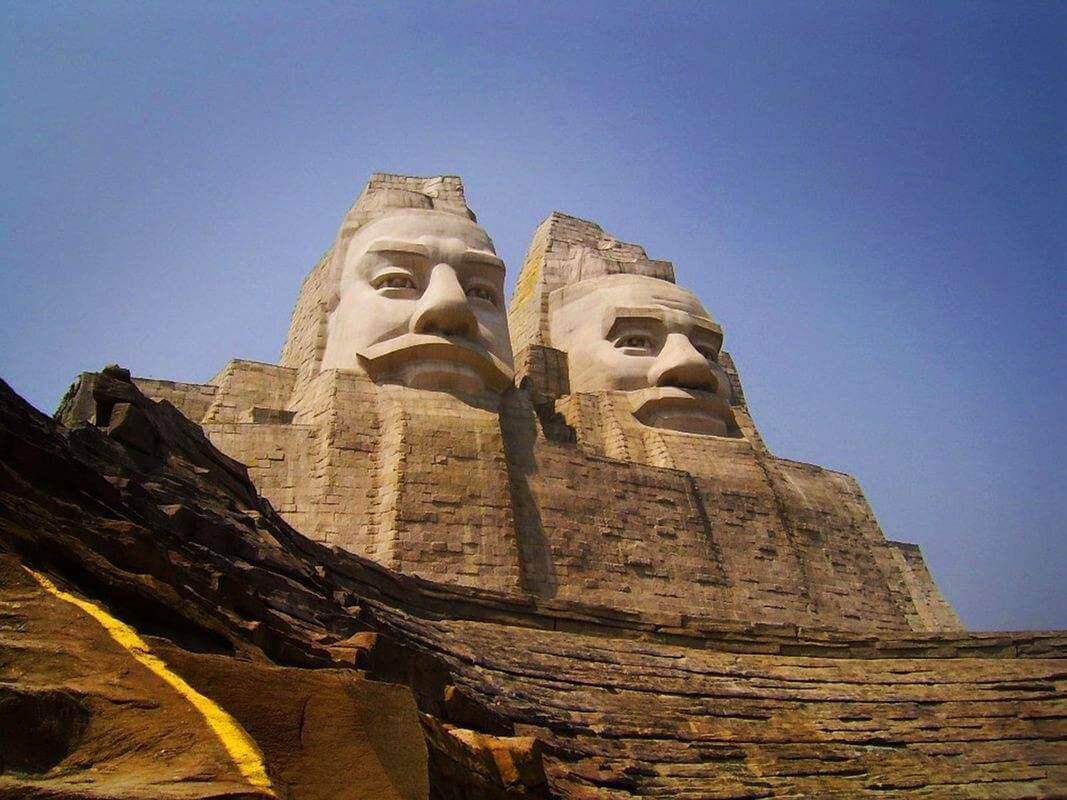
In prehistoric times, Youchao, Suiren, Fuxi, Shennong (Yandi) and Huangdi (Xuanyuan) were regarded as the ancestors of Chinese culture. In 2070 BC, Xia Dynasty appeared; in Shang Dynasty, oracle bone inscriptions, the earliest mature writing in China, appeared; in Western Zhou Dynasty, society developed further, productivity increased in spring and Autumn period and Warring States period, and a hundred schools of thought contend. In 221 B.C., Qin Shihuang established the first centralized feudal state in Chinese history Qin Dynasty; the western and Eastern Han Dynasties further consolidated and developed the situation of great unification, and the Chinese characters were basically shaped. During the Three Kingdoms, the Jin Dynasty, the southern and Northern Dynasties, China entered a situation of separatist regime.
During the Sui, Tang and Five Dynasties, economic prosperity, scientific and Technological Development and cultural influence were widespread. During the Wuzhou period, the international status reached its peak because of the construction of “the great Zhou Wanguo praises the virtue of Tianshu”. In the period of Liao, song, Xia, Jin and Yuan Dynasties, multi-cultural integration, economy, science and technology developed to a new height. In the Ming Dynasty, the economy developed, and “capitalist sprouts” appeared in Jiangnan area at the end of the Ming Dynasty;
In the middle of the 19th century, after the Opium War in the Qing Dynasty, China began to become a semi colonial and semi feudal society. In 1911, the revolution of 1911 broke out, overthrew the monarchy and established the Republic of China. After Yuan Shikai’s death, China entered a period of warlord separatist chaos. After the northern expedition, the KMT unified China in name. In 1931, Japan instigated the September 18th Incident. In 1937, it began to invade China in an all-round way. In 1945, it won the Anti Japanese war.
After the liberation war, the Communist Party of China established the people’s Republic of China in 1949.
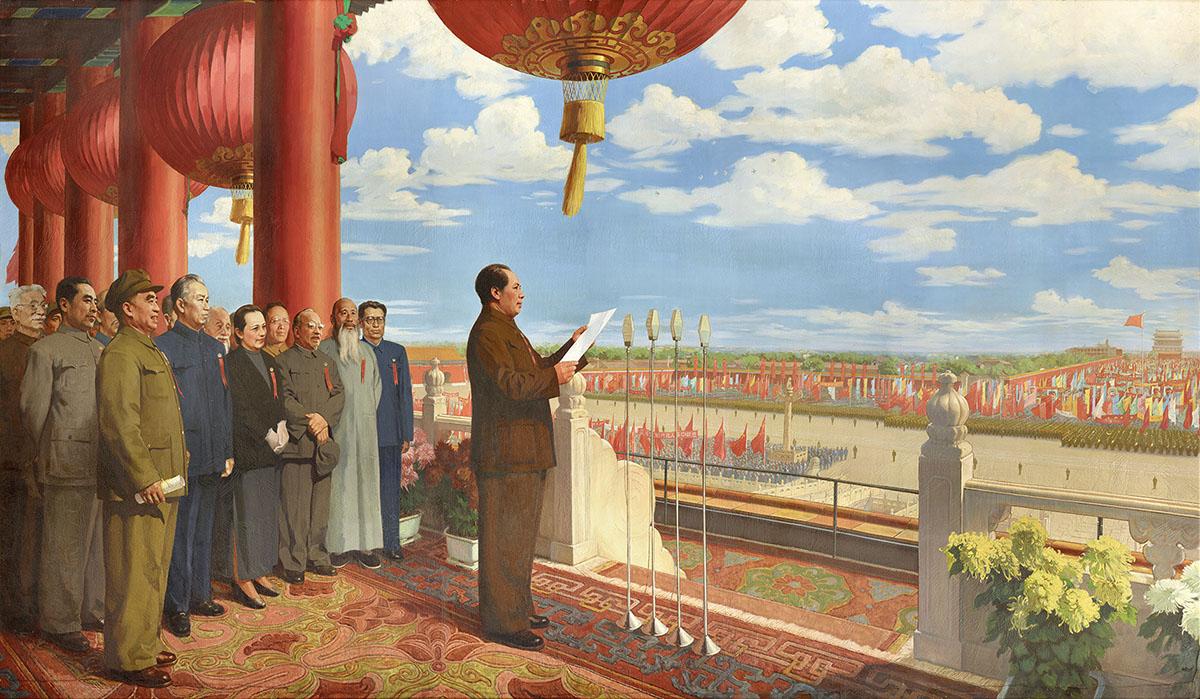
The people’s Republic of China, or “China” for short, was founded on October 1, 1949. It is located in the east of Asia and the west coast of the Pacific Ocean. It is a socialist country under the people’s democratic dictatorship led by the working class and based on the alliance of workers and peasants. It takes the five-star red flag as the national flag and the march of the volunteers as the national anthem. The national emblem contains the national flag, Tiananmen Square, cogwheel and wheat and rice ears. The common language is Putonghua and Putonghua Standardized Chinese characters, the capital of Beijing, is a unified multi-ethnic country composed of 56 ethnic groups with the Han nationality as the main body.
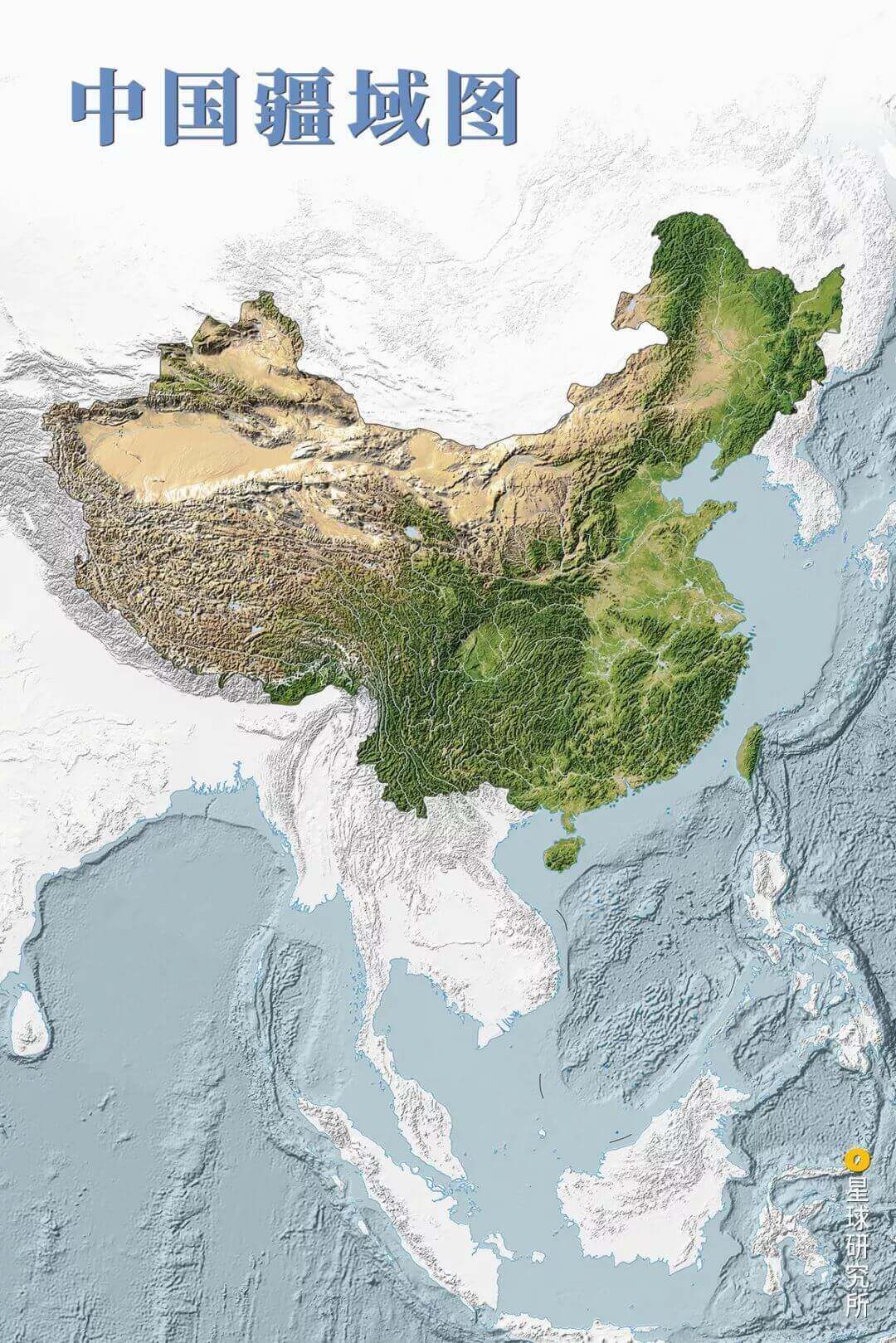
China’s land area is about 9.6 million square kilometers, the coastline of the eastern and southern continents is more than 18000 kilometers, and the water area of the inland and border seas is about 4.7 million square kilometers. There are more than 7600 islands in the sea area, of which Taiwan island is the largest, with an area of 35798 square kilometers. China borders 14 countries and 8 countries on the sea. The provincial administrative divisions are 23 provinces, 5 autonomous regions, 4 municipalities directly under the central government and 2 special administrative regions.
China has a splendid culture and glorious revolutionary tradition, and the number of world heritages is leading in the world. After the founding of new China in 1949, it entered the period of socialist revolution and construction. In 1956, it realized the transition to socialism. Since then, the socialist construction has developed tortuously in exploration. After the “Cultural Revolution”, we carried out reform and opening up and concentrated on socialist modernization along the road of socialism with Chinese characteristics. After long-term efforts, socialism with Chinese characteristics has entered a new era.
China is a developing country with the largest population in the world, the third largest land area in the world, and the second largest economy in the world. It continues to be the largest contributor to world economic growth, with the total economic volume exceeding 99 trillion yuan in 2019. China adheres to an independent foreign policy of peace. As a permanent member of the UN Security Council and an important member of many international organizations, China is regarded as one of the potential superpowers.
Chapter 3
Increasingly powerful China's Education
China’s education is an educational undertaking under the charge of the Ministry of education of the people’s Republic of China. Since 1986, nine-year compulsory education has been implemented. Education is divided into kindergarten, primary school, junior high school, senior high school and university. China has a large number of universities, and the number of college students is the first in the world.
Ancient education
China has always been a big country of education. People have always respected the concept of learning education from the ancient mainstream thought of “not learning without learning but not knowing the meaning”. The so-called “sincere and ancient saying”, the education that has been spread for millennia is as long as the ancients said, it should be long thought. Therefore, in contemporary China, the rise of science and education is not only the carrier of the essence of history, but also the rules for students to go ahead.
The earliest education age can be traced back to the primitive social period. At this time, people put more education ideas on labor, from making tools to hunting and planting fields, which were the core of education at that time. After the improvement of productivity, people shifted the focus of education to art and culture, and began to pursue the words and music.
During the period of slave social education from Xia Shang to spring and Autumn period, people began to study and record the human ethics. Until the Western Zhou Dynasty, there were six standards of educational investigation, which were rites, music, shooting, imperial, books and several arts. They were often selected according to the rules when recruiting social state talents.
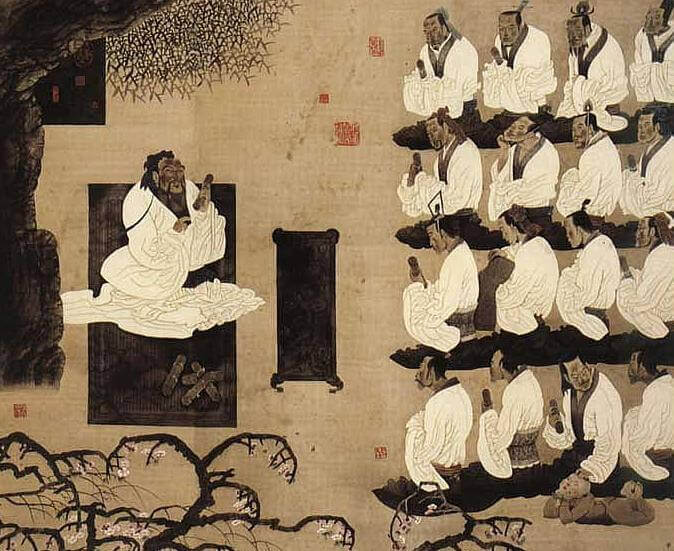
Later, it came to the feudal education period, which was respected by Confucius and Mencius. Confucius advocated “teaching without class and teaching according to his aptitude”, and opened a private style of study, which laid the foundation for the emergence of modern schools. At this time, people focused on cultivating the style of gentlemen, and was influenced by the culture of Confucius and Mencius to read the books of the sages and men in the military, and kept the previous deeds recorded in the book, and treated people with the style of benevolence after the cultivation of ethics and morality.
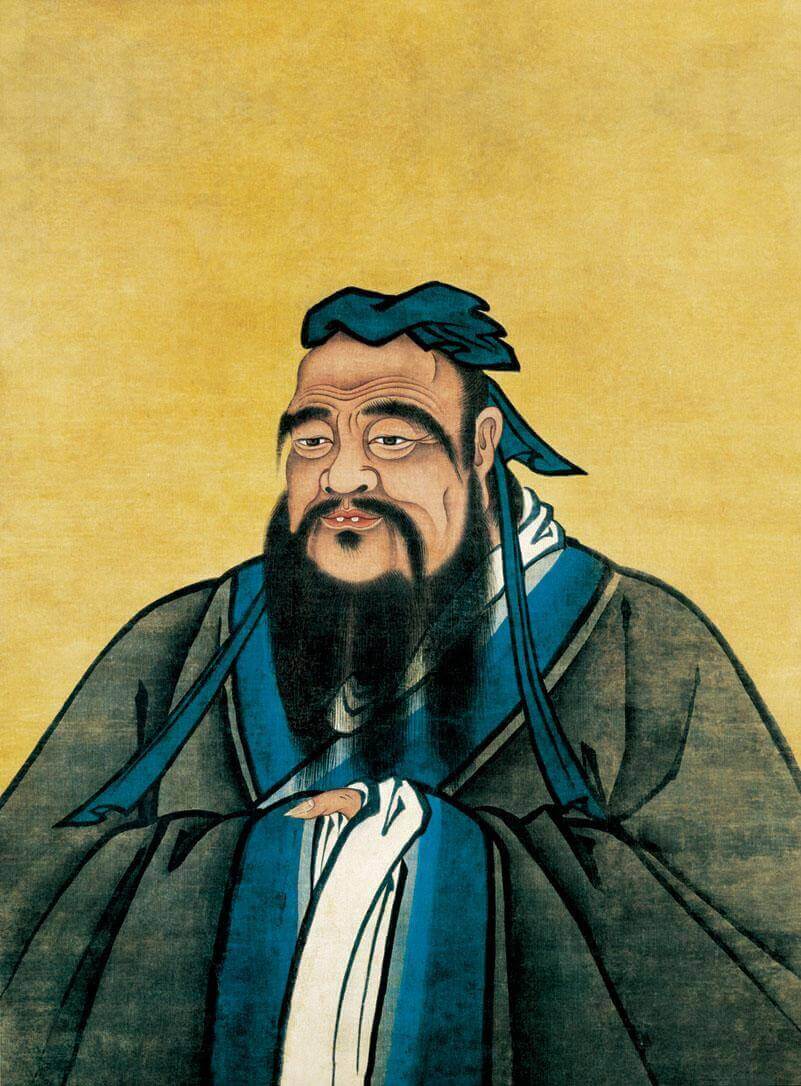
The Tang Dynasty is one of the most
powerful dynasties in Chinese
history, with unprecedented economic
and cultural prosperity. The
education system of Tang Dynasty
inherited from Sui Dynasty, further
improved and expanded the education
system of Sui Dynasty, and promoted
the education of China to a new
historical stage and scale.The
culture of Tang Dynasty had a great
influence on the neighboring
countries. For example, Japan sent
students to the Tang Dynasty more
than ten times to study the advanced
system and culture. Even today,
traces of Tang Dynasty culture can
be seen everywhere in Japanese daily
life.
Zhou Dunyi in Song Dynasty created Neo Confucianism, which added a comprehensive education model on the basis of Chinese poetry education. Zhu Xi paid attention to the gradual deepening and gradual reading rules, emphasized the three principles, five rules and the theory of righteousness, and created a new education cause in feudal society with many ideological educators.
Modern education in China began from the confluence of foreign culture. When the people and the new scientific thoughts were exchanged in the old age, the school education system was greatly improved. The multi-element and integrated educational thought contributed to the emergence of the first batch of Chinese students staying abroad in modern times. In the collision and acceptance of these educational ideas, the modernization of China also started, and was in line with education.
The rapid development of education still depends on the modern to the contemporary educational reform. The state has invested a lot of money in education, and pushed book knowledge to a new height by bringing science and technology into knowledge. After the completion of the education system, the introduction of a wider range of moral, audio-visual, health and technical disciplines is no longer restricted to the “back multiple points” model, which is a major innovation in the history of Chinese education.
Modern education
: literacy campaign to basic education
In 1949, there were 550 million people in China, but there were only 205 colleges and universities in China, with an average gross enrollment rate of 0.26%. 440 million people had less than two years of education per capita, and the illiteracy rate was as high as 80%.
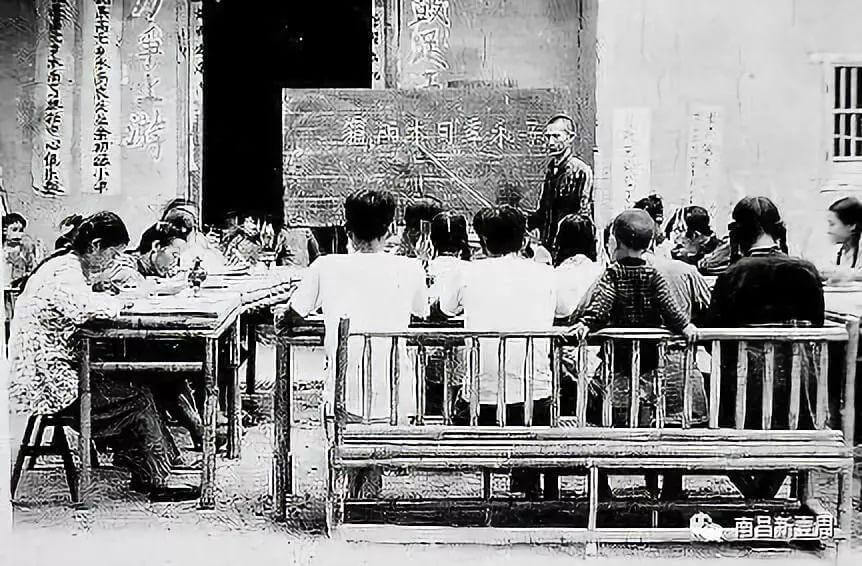
In order to comprehensively improve the national cultural level, meet the needs of China’s industrial construction and accelerate the socialist transformation, the first national education work conference was held in 1949, and three large-scale literacy campaigns have been carried out since 1951.
In the process of literacy campaign, urban basic education has been paid more and more attention. In 1953, in order to make it convenient for people’s children to go to school, the Beijing Municipal People’s government actively prepared to build primary schools, so that 90% of the local children were given the opportunity to go to school and receive basic education.
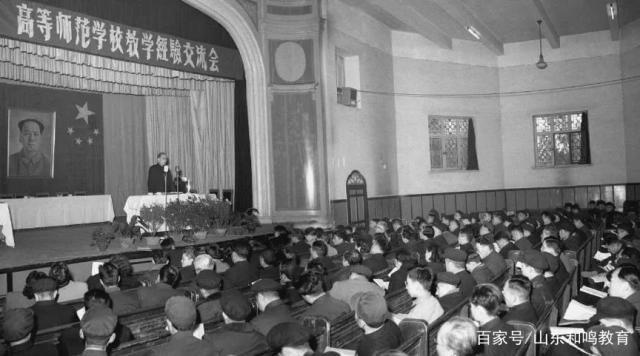
In 1956, at the national intellectual conference held in Beijing, Premier Zhou Enlai proposed that we should narrow the distance from the developed countries step by step, and the people of the whole country should march towards modern science and culture.
In 1964, with the support of the central government, simple primary schools were popularized in the rural areas of 14 provinces headed by Shandong and Hebei. The curriculum was simplified and concentrated, and the school-age children around the area could go to school nearby.
: comprehensive development of basic education
In 1977, Deng Xiaoping’s speech on “respecting knowledge and talents” became an important guide to the first to solve the problem in the science and technology education front. “Our education has been 20 years behind the developed countries, and the key to China’s modernization is that we need knowledge and talent,” he said.
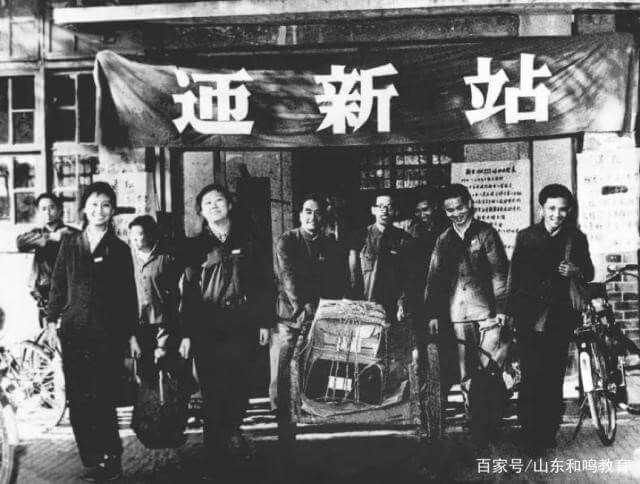
In September of the same year, the national college entrance examination meeting held in Beijing announced that the 10-year entrance examination for college entrance examination was officially resumed.
In 1978, 52 students, as the first group of public students, went to the United States to study. This initiative opened the curtain of the opening up of education in the new era.
In 1979, the CPC Central Committee approved and transmitted the report on the development of rural education, which pointed out that the key to modernization lies in the cultivation of technical talents, and the basis of which is education. Therefore, it is required that party and government officials at all levels should make sure that primary education is popularized.
In 1986, the state first set up three special education normal schools, and promulgated the compulsory education law of the people’s Republic of China, which guaranteed the right of children with age blindness, deaf mute and weak intelligence to receive compulsory education, and illuminated the way of seeking knowledge for special children.
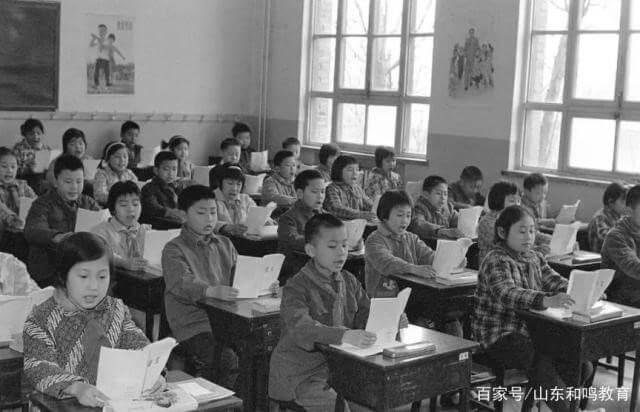
In 1989, China officially started the “Hope Primary School Project”, with the help of people from all walks of life, helped to build hope primary school for poor and out of school children, and helped them return to school.
In 1993, the State Council issued the outline of China’s education reform and development, which clearly stated that the new goal of the struggle was to popularize the nine-year compulsory education and eliminate illiteracy in the young and the middle ages.
In 2000, the Ministry of Education issued the notice on the implementation of the “new century higher education teaching reform project”, which pointed out that the teaching reform practice should be carried out in a wider and deeper level, so that the existing teaching reform results should be more systematic and scientific.
In 2011, the Ministry of education and Finance jointly issued the implementation opinions of “undergraduate teaching project”, and chose to officially launch the “undergraduate teaching project” in accordance with the principle of “highlighting key points, reform and innovation, inheriting development and leading demonstration”.
: promoting the development of educational informatization
In 2012, the Ministry of Education issued the ten-year development plan for educational informatization (). It is clearly pointed out in the plan that it is necessary to widely publicize educational informatization through various channels and gradually promote the in-depth application of information technology in the field of education.
In 2016, the education research made the “13th Five-Year plan” of educational informatization, aiming at deepening the integration development of Internet plus education, expanding the coverage of high-quality educational resources, speeding up the exploration of digital education + personalized education mode, and realizing the expansion from service class learning to supporting ubiquitous learning in network.
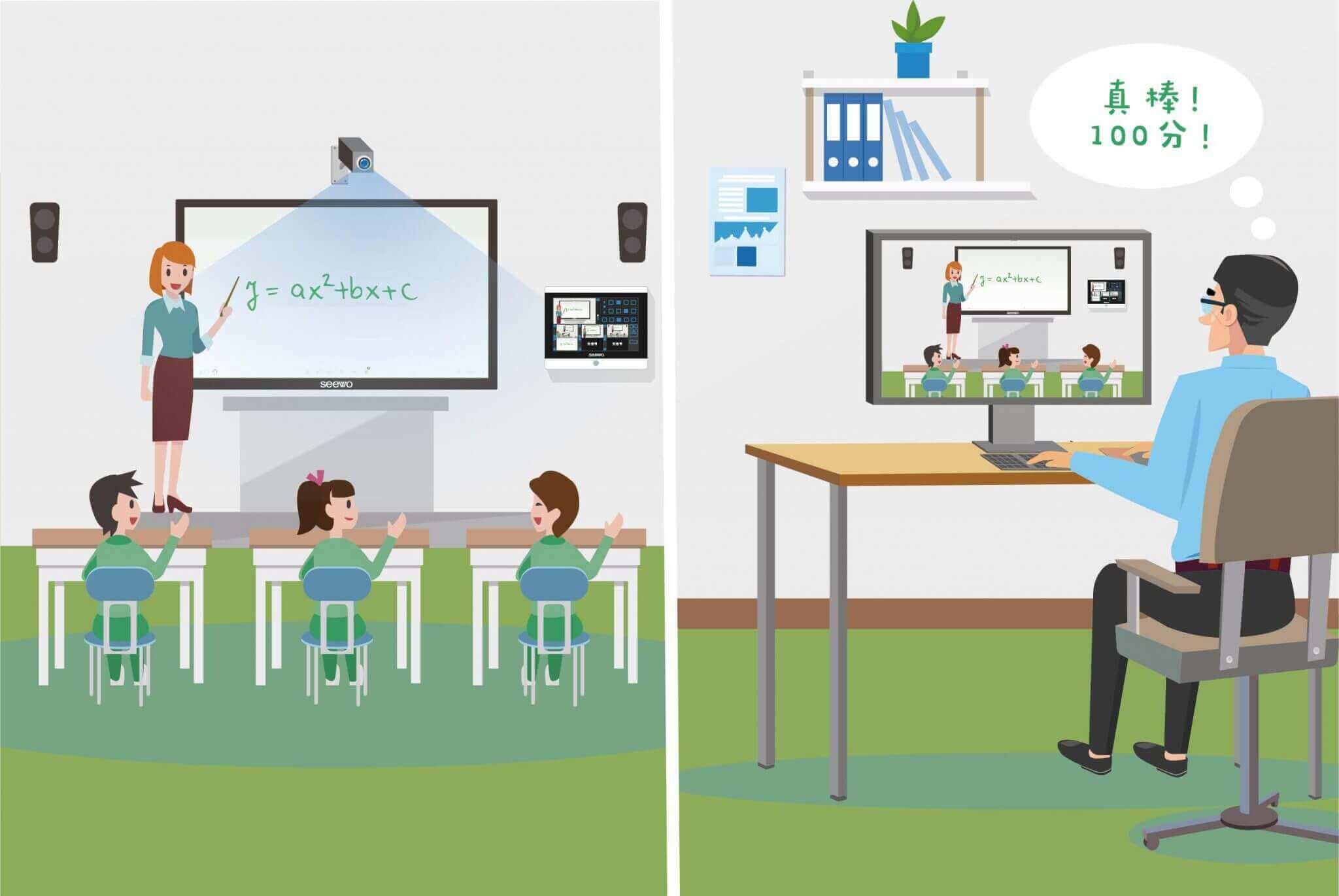
In 2017, the State Council issued the new generation of AI development plan, which emphasized the development of artificial intelligence education, focusing on using big data to drive knowledge learning, and building a multi-environment, multi-dimensional and diversified adaptive learning environment with learners as the center.
In 2018, the Ministry of Education issued the 2 plan of action for education informatization, whose development goal is to build a platform for “Internet plus education”, and build an adaptive learning system integrating artificial intelligence, big data and cloud computing.
Higher Education
China’s higher education includes higher vocational schools, College (2-3 years) and undergraduate (4 years). There is no degree for Higher Vocational and college graduates.
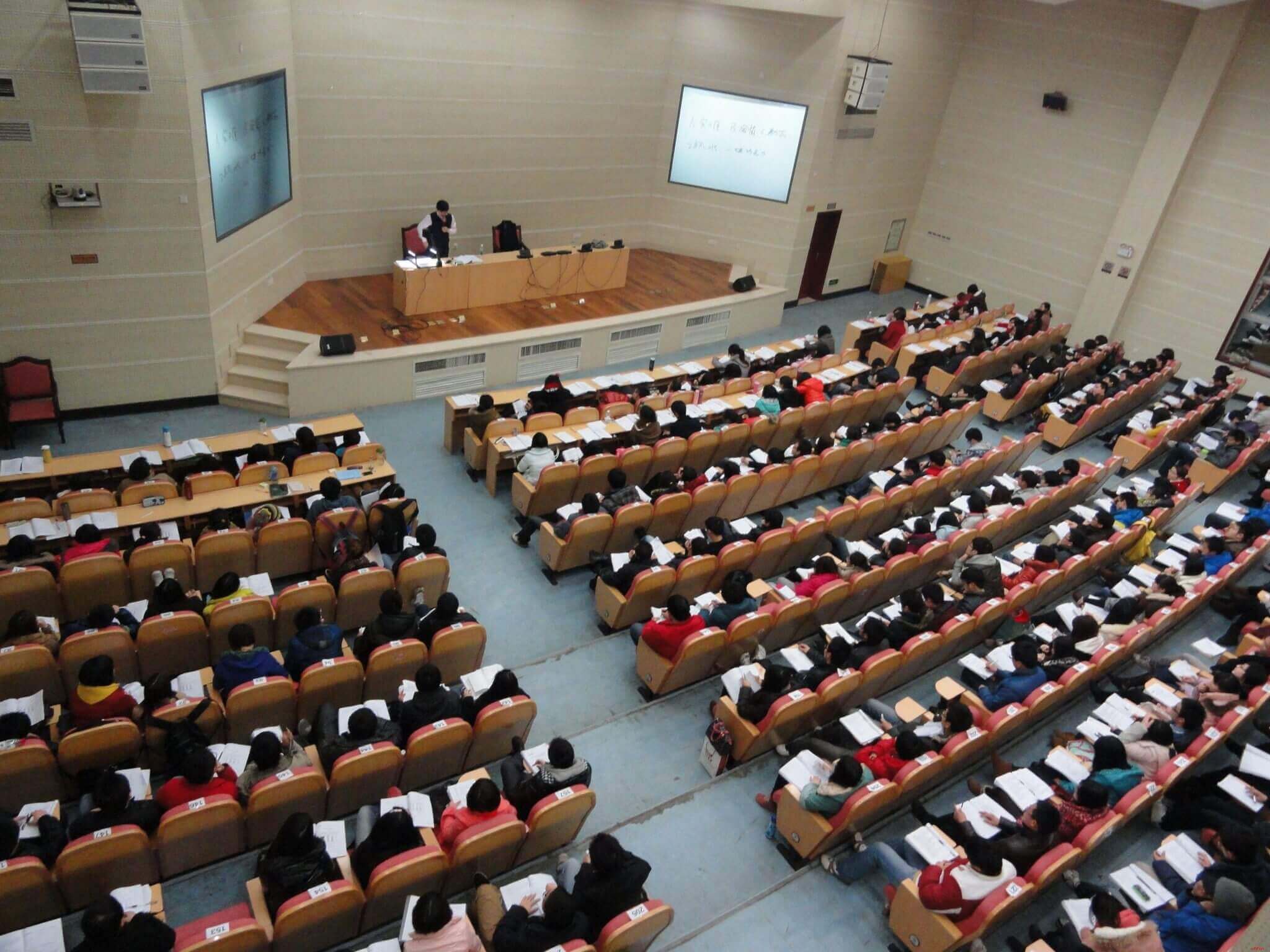
You can get a bachelor’s degree after graduation. After graduation, they can take part in the national postgraduate entrance examination for further study. Among them, the students can choose to take part in graduate school or Graduate School of each university. It takes 2.5 to 3 years to get a master’s degree and then a doctor’s degree. Generally, it takes three to four years to study for a doctorate. After a master’s degree, they continue to study for a doctor’s degree and generally do not need to take the examination again. However, some colleges and universities still set up an entrance examination for doctoral students.
In 2019, the total number of all kinds of higher education in China will reach 40.02 million, entering the stage of popularization. There are 2857 students in higher education per 100000 population. There are 2.864 million graduate students in China, including 424 000 doctoral students and 2.44 million master students. There are 30.315 million students in general colleges and 6.686 million students in adult colleges and universities.
In 2019, there will be 640000 graduate students nationwide, including 63000 doctoral students and 577000 master students. There are 7.585 million graduates of general colleges and universities in China.
In 2019, there will be 1.74 million full-time teachers in Colleges and universities, and the ratio of students to teachers in Colleges and universities will be 818.0:1. The composition of teachers’ degree levels continued to improve. In 2019, the proportion of graduate degree teachers in Colleges and universities will be 75.0%.
Education of overseas students
Since the founding of the people’s Republic of China and the acceptance of the first batch of overseas students, the education of overseas students in China has gone through the stages of starting, developing and growing. In this process, the government has been playing a very important role in formulating a large number of policies to promote the development of overseas education in China.
During the 13th Five Year Plan period, in accordance with the overall plan of comprehensively deepening education reform, efforts have been made to strengthen the institutional construction and institutional innovation in the field of education opening to the outside world, and to focus on improving the quality of studying in China. The Ministry of education has successively issued the administrative measures for recruiting and cultivating international students, the quality standard of higher education for international students in China (Trial Implementation) and the administrative measures for scholarship work of the Chinese government, which standardize the qualification conditions for universities to accept international students, continuously improve the quality standard and supervision system for international students in China, and continuously optimize the structure of international students in China.
As the economy continues to grow, China is expected to expand and deepen its global search for energy and other resources, and expand its investment, market and political influence. China is making great efforts to develop its soft power and establish an image of peace abroad by promoting exchanges in culture, education, sports and tourism. It has also become more active in global governance. In addition to playing a role in the existing international institutions, China has played a leading role in the establishment and expansion of the Shanghai Cooperation Organization, the establishment of the Asian infrastructure investment bank and the BRICs Development Bank. Meanwhile, one belt, one road initiative was put forward by the state to strengthen connectivity and cooperation in global development.
The education of overseas students in China has certain advantages and superior external environment, which are embodied in stable social environment, profound cultural heritage, beautiful natural scenery, rich incentive policies for studying abroad, unique regional characteristics and so on.
With the continuous enhancement of China’s comprehensive national strength, the number of international students in China is increasing. As one of the largest exporting countries in the world, the number of international students going abroad remained stable during the 13th Five Year Plan period. It is noteworthy that the “return rate” of foreign students is also very significant. In addition to going out, China has also attracted more high-quality students to China by virtue of its constantly improving school running strength and gradually optimizing school running structure.
In 2018, there were 307500 international students in China’s higher education, an increase of 32700 over the previous year; in 2019, there were 333100 international students in China’s higher education, an increase of 25600 over the previous year.(The number is the amount of international students on campus).
Chapter 4
Super safe social environment
In the “2018 World risk map”, China has no exception to enter “low risk tourist” countries. China has long been considered one of the safest countries in the world, and many foreigners agree with it.
There are several reasons for social security in China:
No guns
China is one of the world’s most stringent gun ban countries
There are four kinds of countries in the world. The first is the countries with the most relaxed gun control system, including some western countries represented by the United States, which allow the people to hold not only guns and ammunition launched by gunpowder kinetic energy, but also air gun simulation guns driven by compressed air power or electric power. This is the so-called “two can’t help” countries. In the second category, the State forbids people to hold real guns, but allows air guns and imitation guns to exist as shooting sports toys for adults. Such countries and regions are very common in Asia, such as Japan and South Korea. The third kind of countries can not help but ban air guns, among which Israel is the most representative. All the people of Israel are soldiers. Soldiers have to keep their guns when they go home or go shopping. China, on the other hand, is a country of the fourth category, which forbids both real guns and air guns and implements “double prohibition”. At present, except for military and police security guards and shooters, ordinary citizens have very little access to guns and ammunition.

Two reasons for banning guns in China
The history of banning guns in China is not very long. The history of gun control in China has gone through a tortuous process. Historically, gun control has been so strict for two reasons: one is the need to improve gun control; the other is to reduce malignant incidents, avoid casualties, protect the personal safety of citizens and maintain the long-term stability of the country.
After the reform and opening up, China has formulated a new “measures for the control of guns”, which has a clearer definition of legal gun holders. Only party and government cadres in frontier defense areas, coastal defense areas, and other remote areas, security departments of enterprises and institutions, and a very small number of other units that need weapons can wear guns with permission. At the same time, in addition to hunters, it also allows “non professional hunters who hold guns shall be limited to citizens over 18 years old, and each person shall not have more than two guns.”.
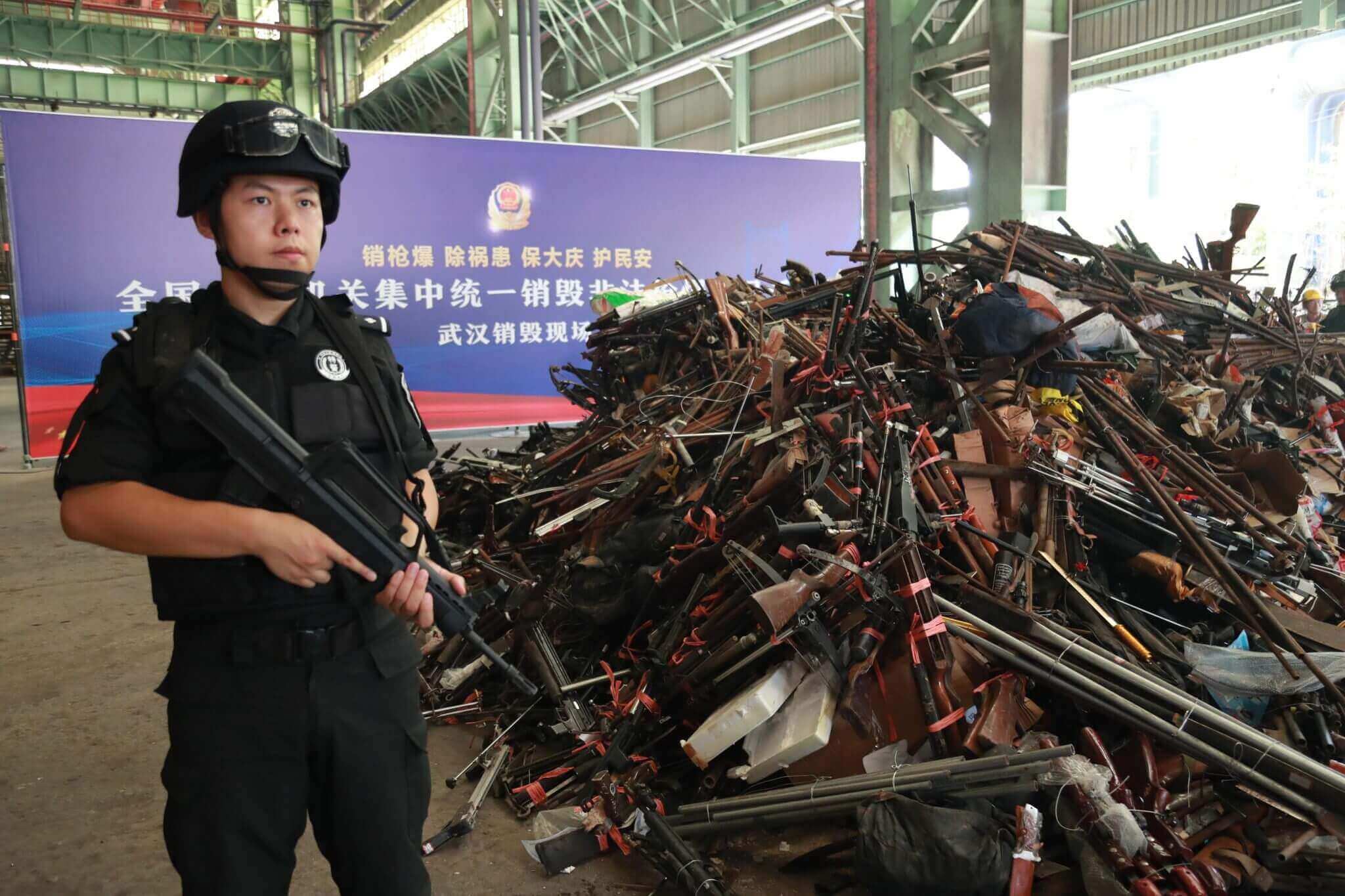
In the 1990s, on the one hand, due to the relatively backward gun control work, on the other hand, many enterprises and individuals illegally produce guns in large quantities, resulting in a large increase in the number of illegal guns among the people and constant vicious incidents. According to the statistics of the Ministry of public security, from 1991 to 1995, there were more than 10000 cases of homicide, robbery, rape and other armed crimes in China, including more than 3000 in 1995. In alone, 1.05 million illegal guns of various types were seized nationwide, including 13000 military guns. In order to further tighten the system of gun use, the most stringent “gun control law” was issued in 1996.
This Law improves the gun control system and establishes the principle that “illegal possession of a gun is a crime”. The scope of guns used in public affairs has been narrowed again, and the possibility of Party and government cadres being equipped with guns has been completely abolished. The use of hunting guns is also strictly restricted. Only hunting grounds approved by the government, relevant scientific research institutions, as well as hunters and herdsmen can be equipped. According to the explanation, “the allocation of hunting guns to hunters should be strictly restricted according to the needs of protecting wild animals.” “herdsmen (whose income from animal husbandry should account for more than 50% of their total living income) can allocate hunting guns according to regulations because of the needs of protecting animal husbandry, and non herdsmen in pastoral areas are not allowed to allocate hunting guns.”.
From a deeper level, the strictness of the gun ban system reflects the gradual improvement of the rule of law in China. According to the relevant person in charge of the criminal division of the Research Office of the Supreme People’s court, strict control of guns and severe punishment of gun related crimes according to law are important successful experiences in the construction of the rule of law and social governance of socialism with Chinese characteristics, which must be unswervingly adhered to, xinhuanet.com reported. In recent years, gun related cases show the characteristics of diversity and complexity, especially the gun powered by compressed gas has a wide range of muzzle specific kinetic energy, and there is a great difference in the wounding force. This requires that when deciding whether to pursue criminal responsibility and how to determine the penalty for gun cases with compressed gas as power and low muzzle specific kinetic energy, we should not only discuss the number of guns, so as to prevent the handling of specific cases from going against the general public’s cognition and the principle of suiting crime, responsibility and penalty. In addition, in judicial practice, similar problems also exist in cases involving air guns and lead bombs.
Awesome police system — Skynet
“Skynet project” refers to a video monitoring system for real-time monitoring and information recording of fixed areas, which is composed of GIS map, image acquisition, transmission, control, display and other equipment and control software to meet the needs of urban public security prevention and control and urban management.
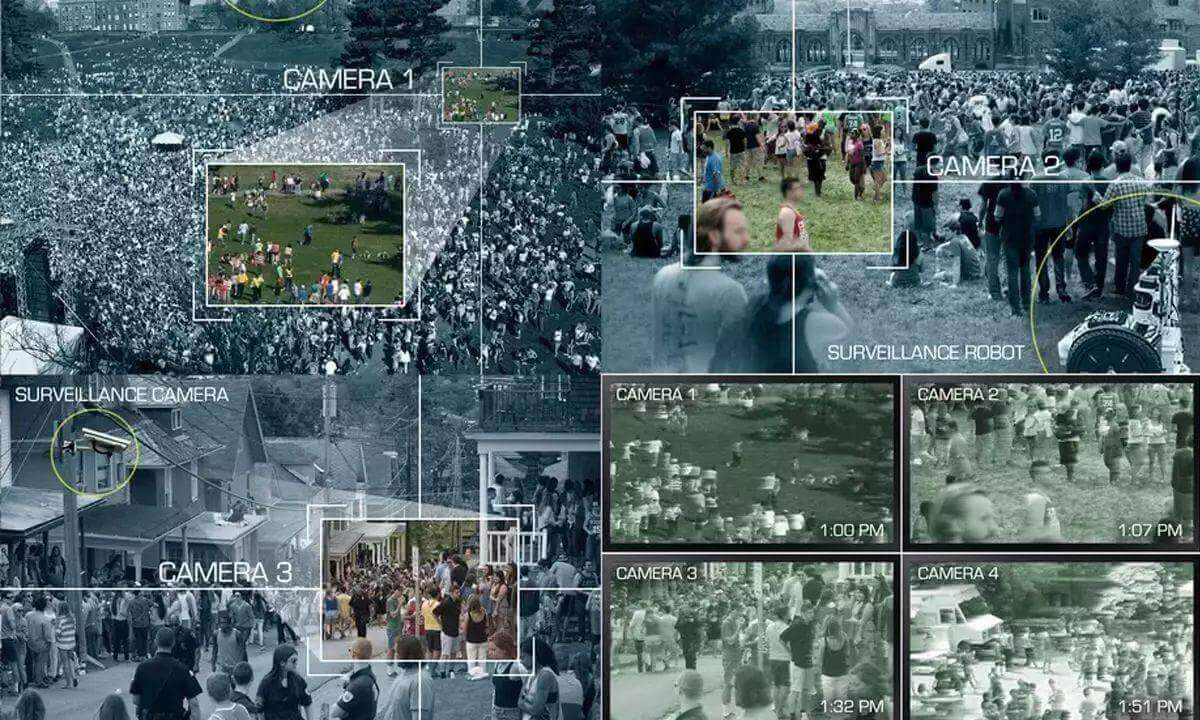
Skynet project installs video monitoring equipment in traffic arteries, public security checkpoints, public gathering places, hotels, schools, hospitals and complex public security places, and uses video private network, Internet, mobile and other network gateways to spread the images of all video monitoring points in a certain area to the monitoring center (namely “Skynet project” management platform), so as to prevent criminal cases, public security cases and traffic accidents Through the classification of violation, urban management violation and other image information, we can provide reliable image data for strengthening urban comprehensive management, preventing and cracking down on crimes and sudden public security disasters and accidents. “
The reason why criminals in the past could escape the arrest of the police for decades is that the track of their actions is erratic, which makes it difficult for the police to determine the location for arrest. Now it’s different. The Skynet system now covers every corner of the city. The city should be accurate to every community, and the township should be accurate to every village.
In recent years, with the development of science and technology, our Skynet system is constantly upgrading, adding face recognition and big data. It is difficult for human eyes to distinguish, so it is operated by machines and algorithms, which is not only fast but also with high accuracy. Skynet system in some cities can also connect each community through big data. Each house is equipped with a data model to analyze water and electricity consumption. If there is any abnormality, it will give an early warning immediately to prevent it.
The whereabouts of criminals will be exposed in the sight of the police at the first time. Through the analysis of their tracks, they can reach the criminal’s destination first and then arrest them.
Strong security force
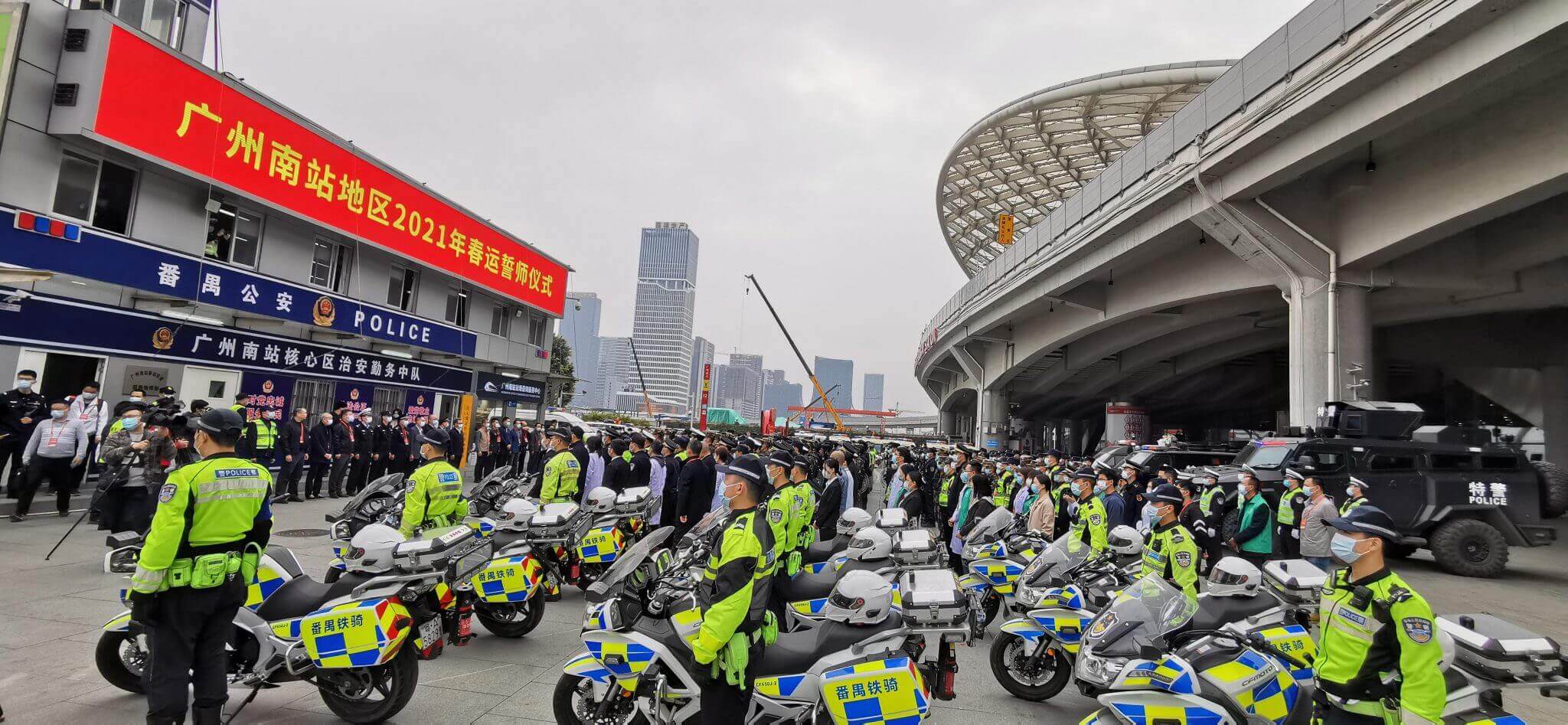
Chinese mainland Chinese mainland has a per capita crime rate of only one in 10% in the Anglo American and Hongkong regions. However, the mainland city with a relatively low urbanization rate and social division of labor has a very strong police force and security force.
1. The administrative establishment of police (civil servants) is about 2.2 million
2. The establishment and contract system of the police force are more than 500000
3. The security police (internal law enforcement personnel of security organs at all levels, equivalent to a part of the U.S. FBI) is about 100000
4. There are about 2 million full-time Auxiliary Police (including assistant police, public security officers and joint defense team members who assist police work)
5. About 600000 armed police (formerly known as public security forces) are responsible for public security
6. There are about 200000 formal urban management and law enforcement personnel who actually perform police functions
7. There are about 800000 full-time urban management and law enforcement assistants.
8. There are about 4 million security guards under unified management (a regular security company led by public security organs).
9. About 800000 security guards (including those employed by enterprises, institutions and villages and towns) have not yet been included in the unified management
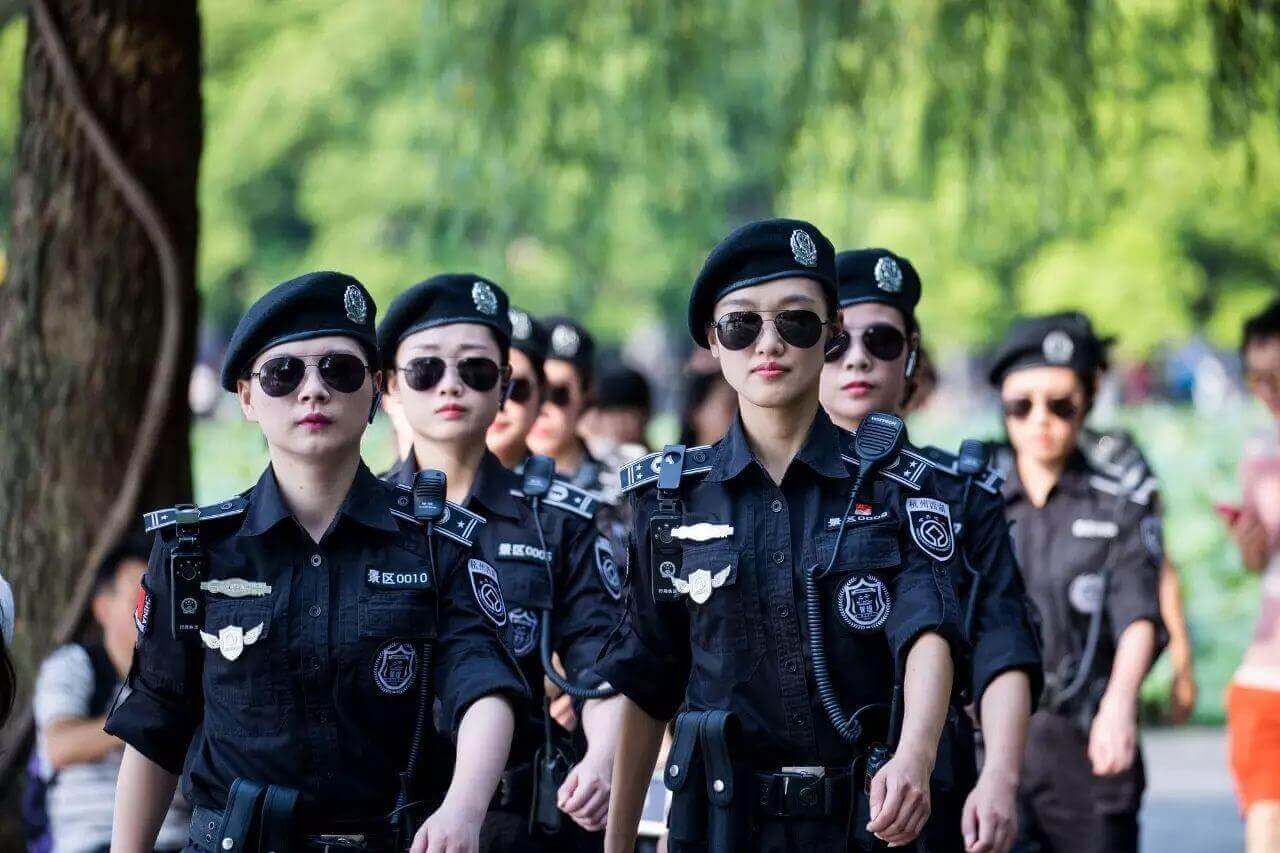
There are about 3.5 million law enforcement personnel in China, which is the largest number of civil servants. There are about 2.8 million auxiliary personnel and 4.8 million security guards, with a total strength of more than 11 million.
China’s security force is four times that of the United States, and the security force of Zhejiang Province is about five times that of the United Kingdom. Compared with the average level of developing countries, China’s security force is ahead of India, and it is still growing at a high speed. Obviously, this has greatly exceeded the current level of China’s social division of labor and economic scale.
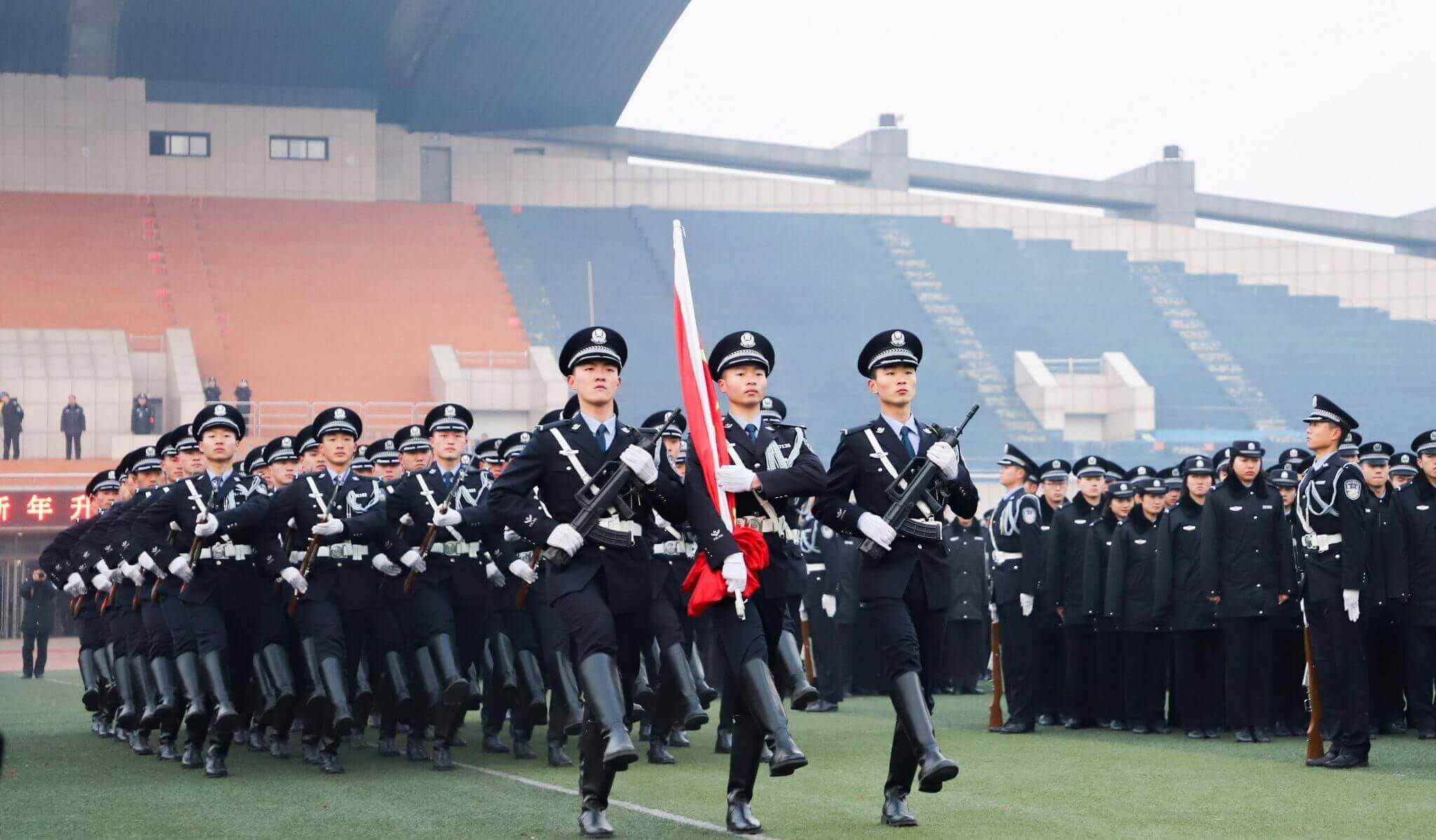
It can be seen that China’s safe social environment has been fully guaranteed by laws and regulations, advanced technical means, and huge police and security forces.
if you have any security problem,you can call these phone numbers :110,112,119…
Chapter 5
Convenient lifestyle
Convenient and developed transportation system
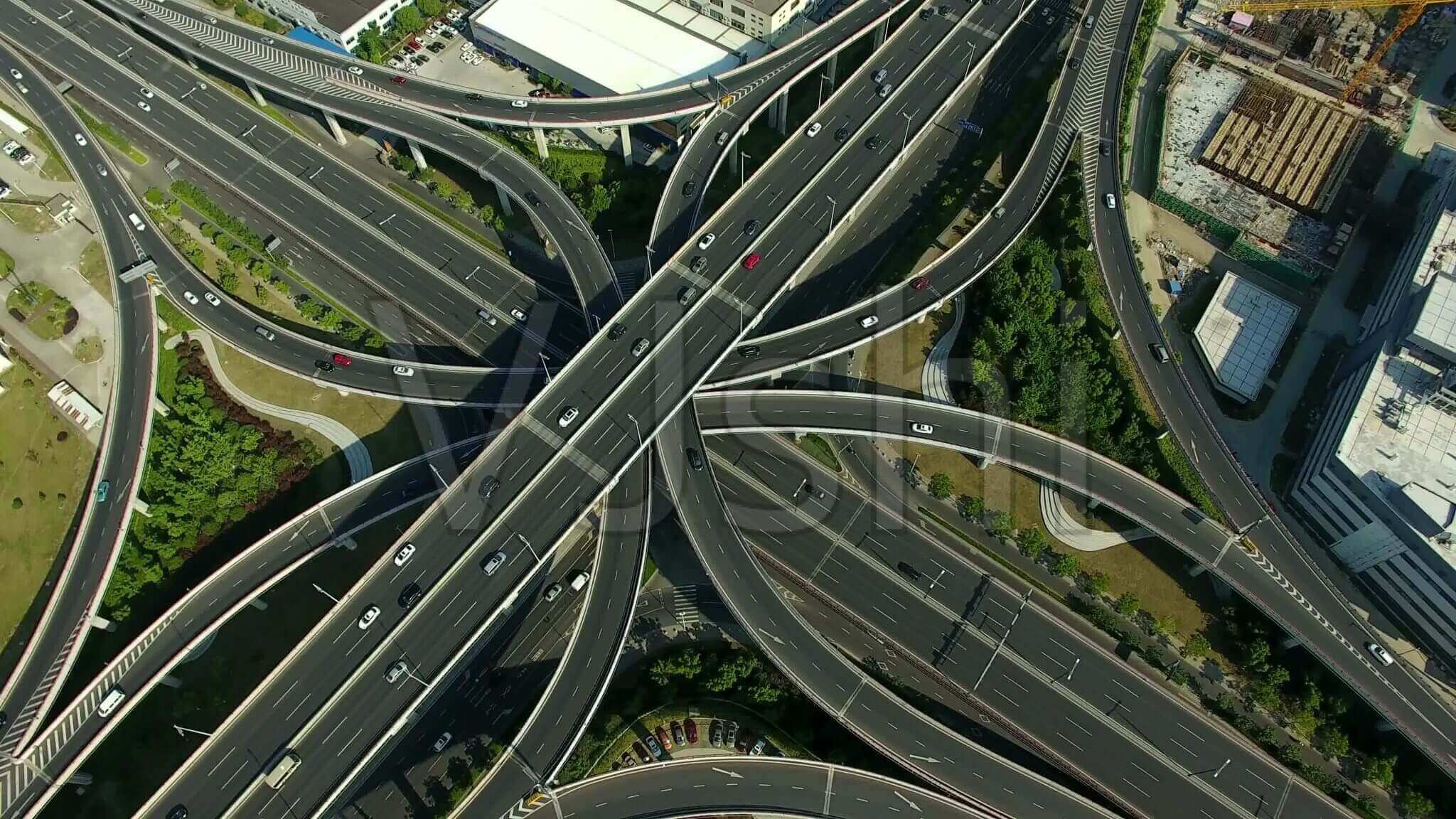
Speed up the opening up of the highway
China’s highway mileage is about 5.2 million km, including 161000 km of expressways, ranking first in the world, covering nearly 100% of cities with a population of more than 200000.
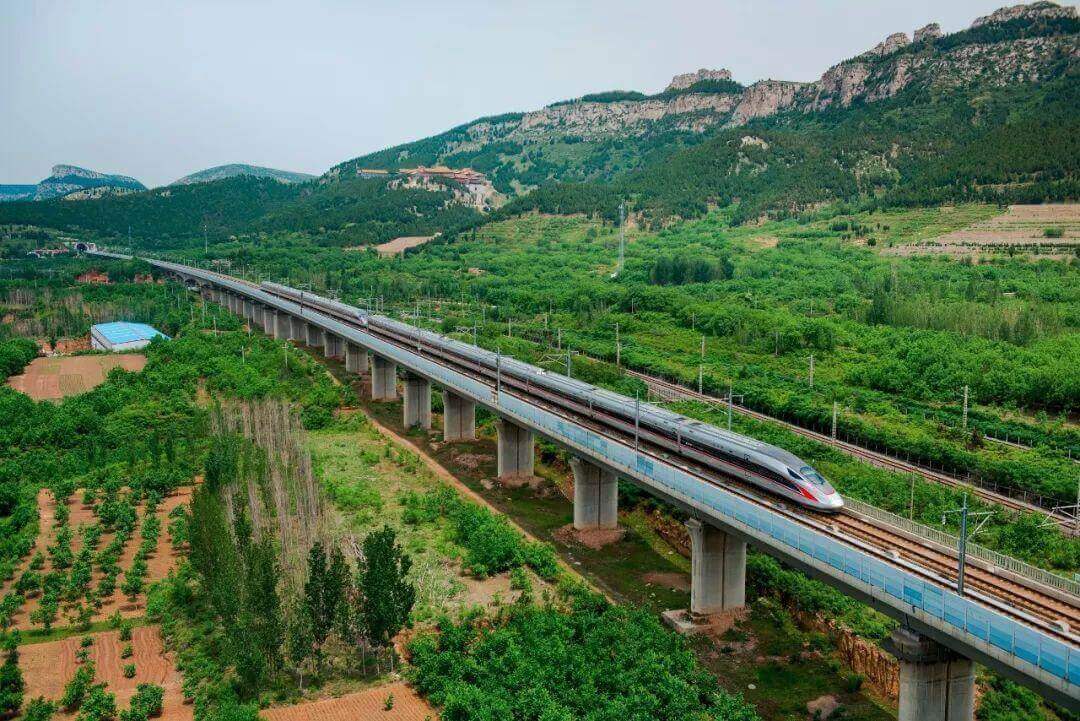
The high-speed railway covers a wider area and is developing rapidly
By the end of 2020, the operating mileage of China’s high-speed railway has reached 37900 km, which has nearly doubled during the 13th Five Year Plan period, ranking first in the world, covering nearly 95% of cities with a population of more than one million. In the railway passenger volume, the proportion of high-speed railway EMUs increased to more than 65%.
The development of aviation has been speeded up and the service has been more convenient.

During the 13th Five Year Plan period, 43 new and continued airports have been built in China. Civil aviation airports have covered 92% of the prefecture level administrative regions. The passenger throughput of 39 airports has reached 10 million, and the normal flight rate has exceeded 80%.
With the further improvement of urban and rural passenger transport level, travel becomes more and more convenient.
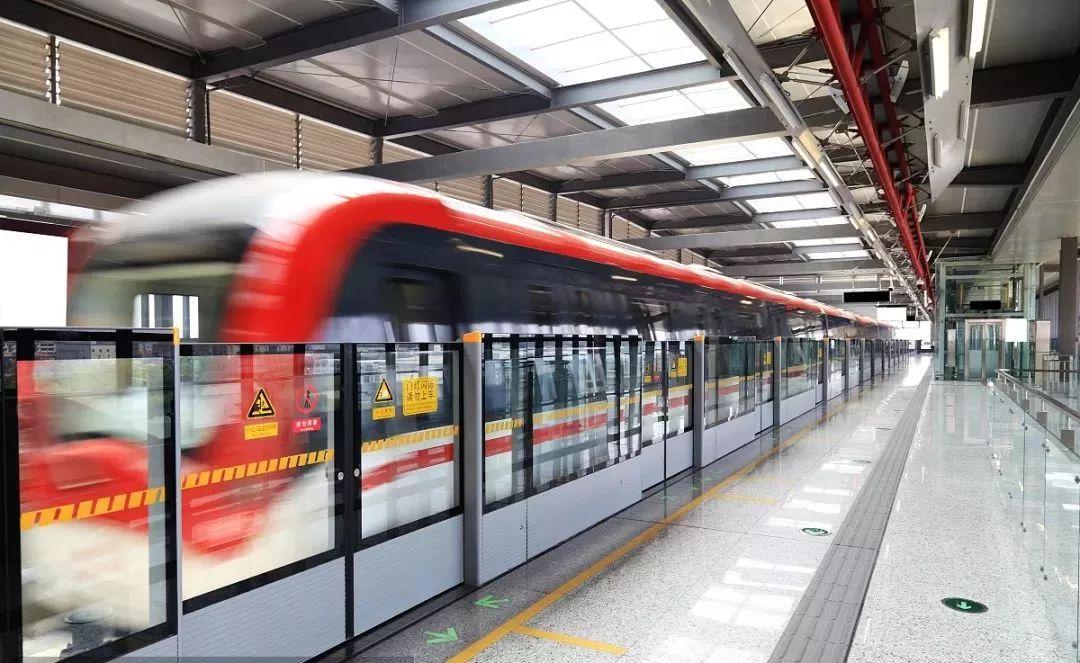
The operating mileage of China’s urban rail transit has increased to 7545.5km, doubling in five years. The construction of “transit city” has also been solidly promoted. The coverage rate of 500 meters of bus stops in built-up areas of cities with a population of more than one million is close to 100%. In September 2020, China will achieve the goal of “two links” of 100% access to hardened roads and 100% access to buses in qualified towns and villages ahead of schedule, so as to make the connection between urban and rural areas closer and more smooth.
New technologies and new formats are emerging, and travel is becoming more and more intelligent.

Beautiful travel depends on technology. If you want to take a taxi, you don’t have to wait on the side of the road and place an order through the online car Hailing platform. If you want to get out of the subway, you don’t have to walk all the way, lift your mobile phone to “scan” a shared bike, and you can easily reach the last kilometer During the 13th Five Year Plan period, the application of new technologies such as Internet and Internet of things in the field of transportation and travel has accelerated, making travel more and more comfortable.
From the perspective of shared travel, the daily order volume of online car Hailing exceeds 20 million, and the daily average usage of shared bicycles is about 45.7 million;
In short, in China, where you want to go is very convenient. Most of you can get there in a few hours, and it will be more and more convenient.
Shopping in China
Shopping in China is very convenient, many ways to meet your needs.
Offline shopping

There are large shopping centers, supermarkets and 24-hour convenience stores for offline shopping. If you are not sure of the location, you can check the shopping malls nearby at any time in Baidu map, Gaode map and Tencent map.
Online shopping

In China, you can use Taobao app and Jingdong app for shopping, , from houses, cars, clothing, cosmetics, books, jewelry, and almost all goods can be purchased in them.
Take away
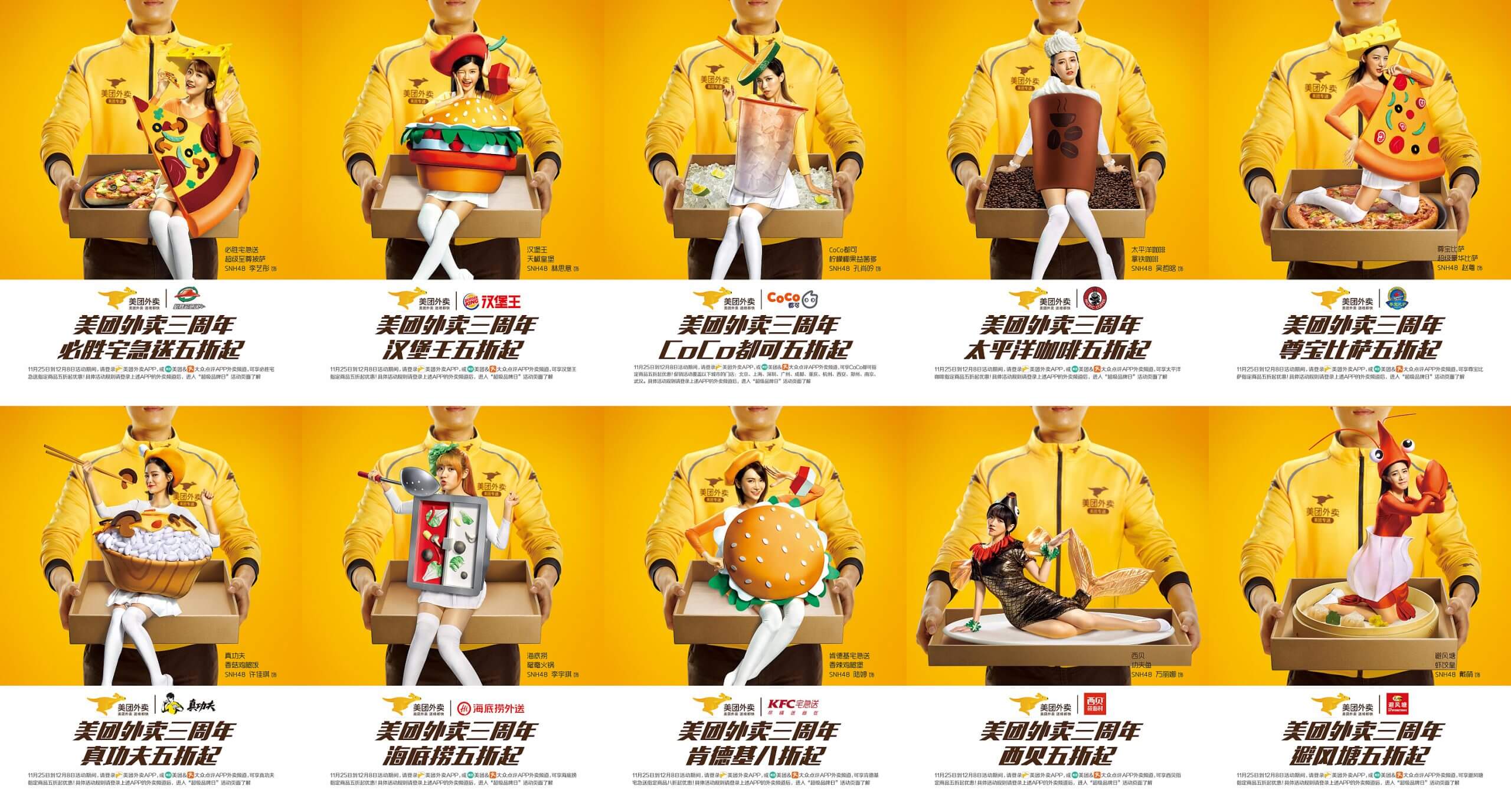
There are meituan takeout, hungry takeout and other apps. You can buy the food or daily necessities you need at any time. You want to eat Sichuan food at noon and Cantonese food at night. You just need to click on your mobile phone to wait for the food to get home.
Convenient payment

When you shop online, you don’t need to carry cash. You can pay directly with Alipay and WeChat. It’s very convenient and safe.
China Post
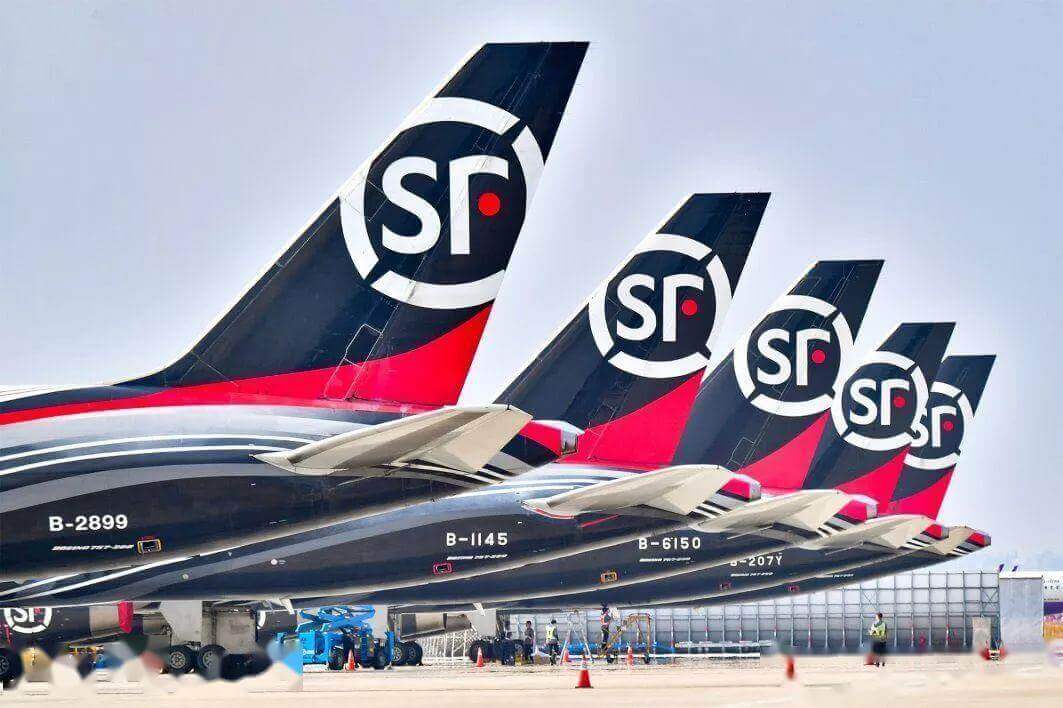
China Post, Shunfeng express, Yunda express and other express companies can place orders quickly and deliver them to your destination in time. They can arrive in one day at the earliest, and they can also deliver them in the same city in a few hours.
Chapter 6
Rich and varied Chinese food
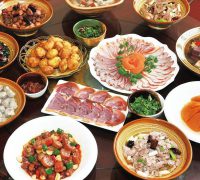
China is a country with ancient civilization and a long history of catering culture. The characteristics of food culture are summarized as follows:
Various flavors
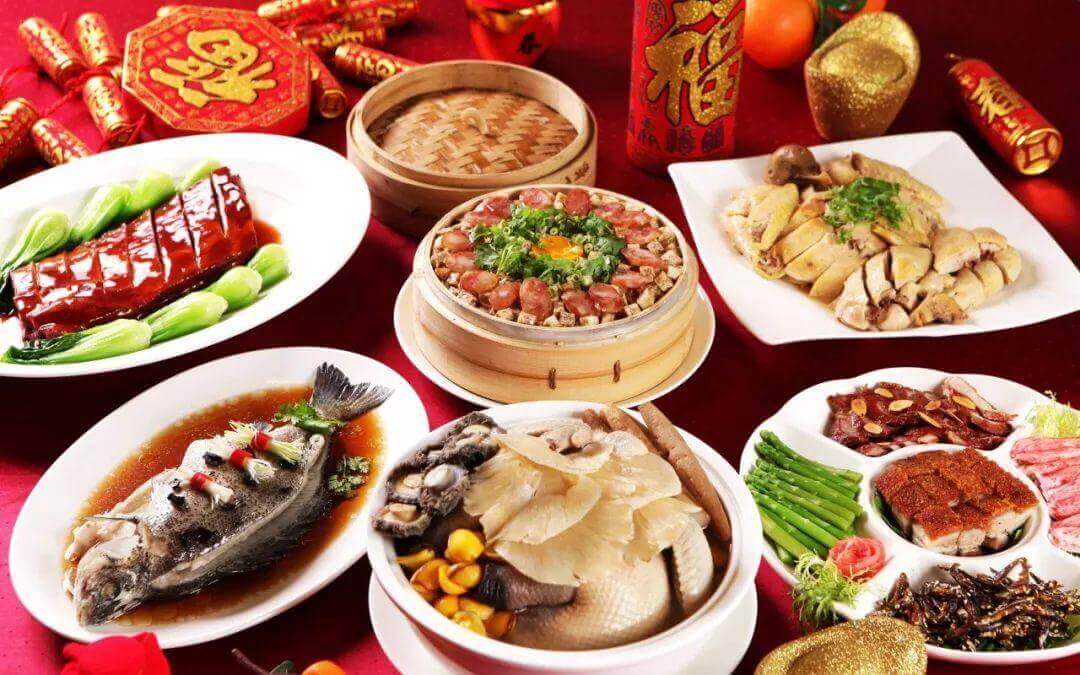
Due to China’s vast territory and abundant resources, there are differences in climate, products, customs and habits in different places. For a long time, many flavors have been formed in the diet. In China, there has always been a saying that “south rice faces north”. In terms of taste, there are “sweet in the south, salty in the north, sour in the East and spicy in the west”. There are mainly four flavors of Bashu, Qilu, Huaiyang, Guangdong and Fujian. At the same time, there are eight cuisines of Shandong, Sichuan, Guangdong, Jiangsu, Fujian, Zhejiang, Hunan and Anhui.
Follow the seasons
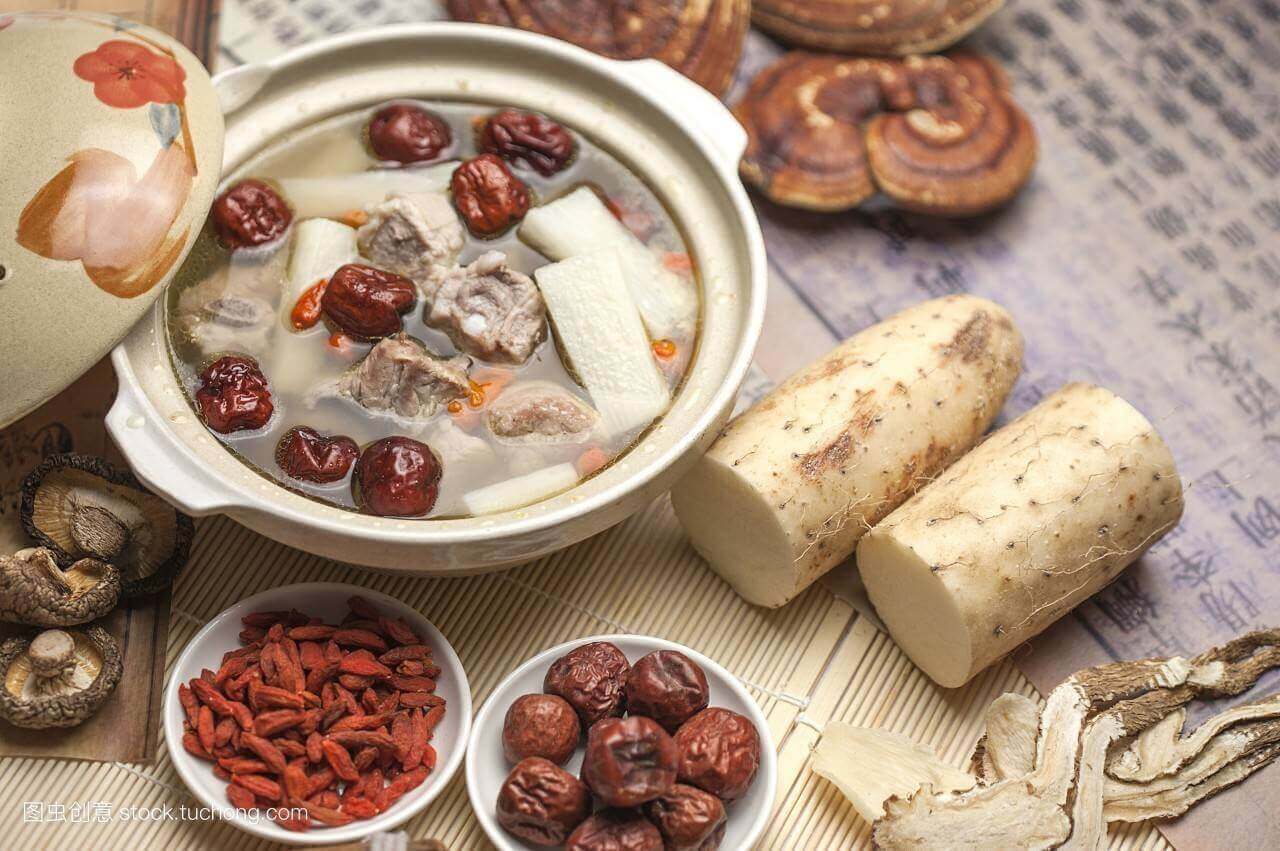
Eating according to seasons is another feature of Chinese cuisine. Since ancient times, China has been seasoning and garnishing according to seasonal changes. It tastes mellow in winter and light and cool in summer; it stews in winter and freezes in summer.
Pay attention to aesthetic feeling

Chinese cuisine is not only skillful, but also has the tradition of paying attention to the beauty of dishes, and paying attention to the coordination of food color, aroma, taste, shape and utensil. There are many ways to express the aesthetic feeling of dishes. Whether it is a carrot or a cabbage heart, it can carve out various shapes and create a school of its own, achieving the harmonious unity of color, fragrance, taste, shape and beauty, giving people a special enjoyment of highly unified spirit and material.
Pay attention to taste
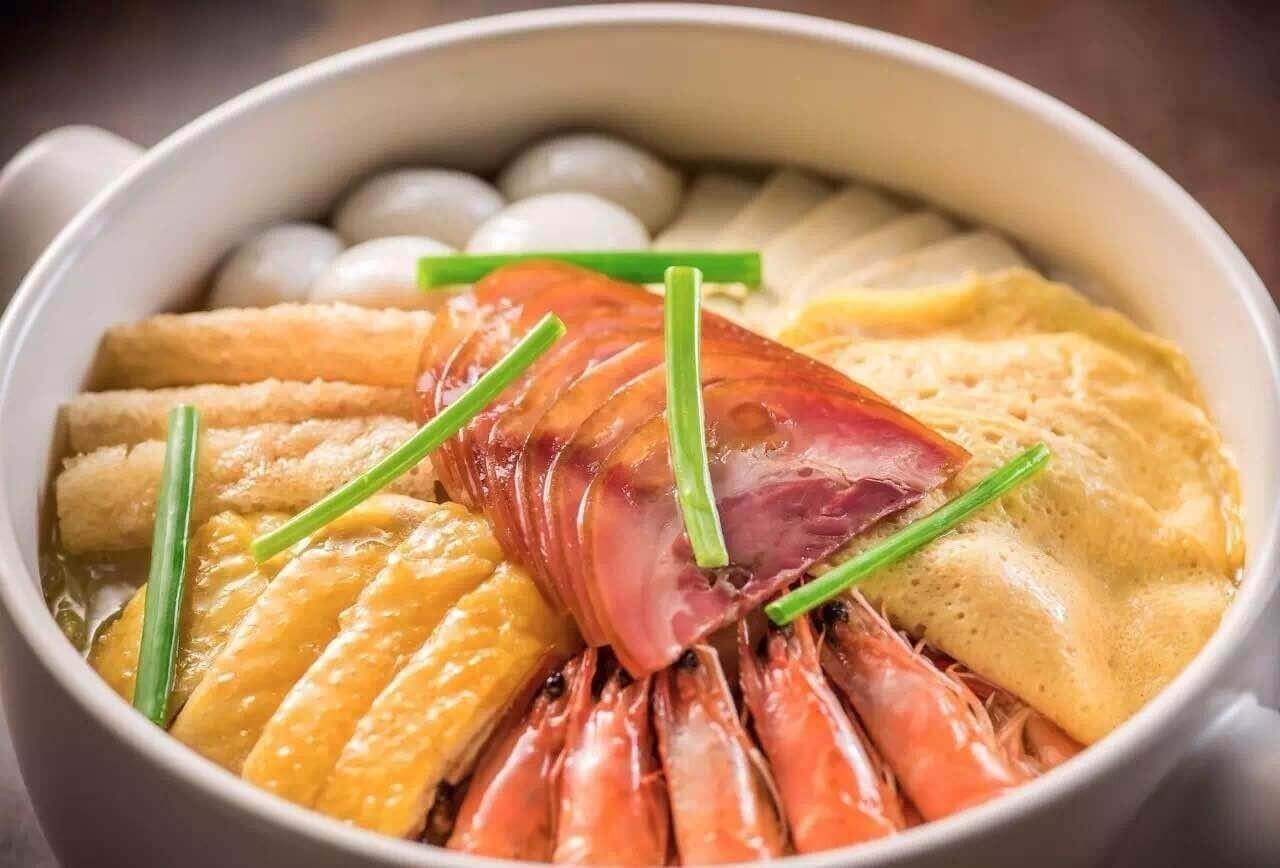
The names of Chinese dishes can be said to be superb and both refined and popular. Dishes are named not only according to the main, auxiliary, seasoning and cooking methods, but also according to historical anecdotes, myths and legends, celebrities’ food interests and dish images, such as “family photo”, “general crossing bridge”, “lion head”, “Jiaohua chicken”, “dragon and Phoenix presenting auspiciousness”, “Hongmen banquet” and “Dongpo meat”.
Combination of food and medicine

Chinese cooking technology is closely related to medical care. The medicinal value of food raw materials can be used to make all kinds of delicious dishes to achieve the purpose of prevention and treatment of certain diseases. “
Excellent selection of materials
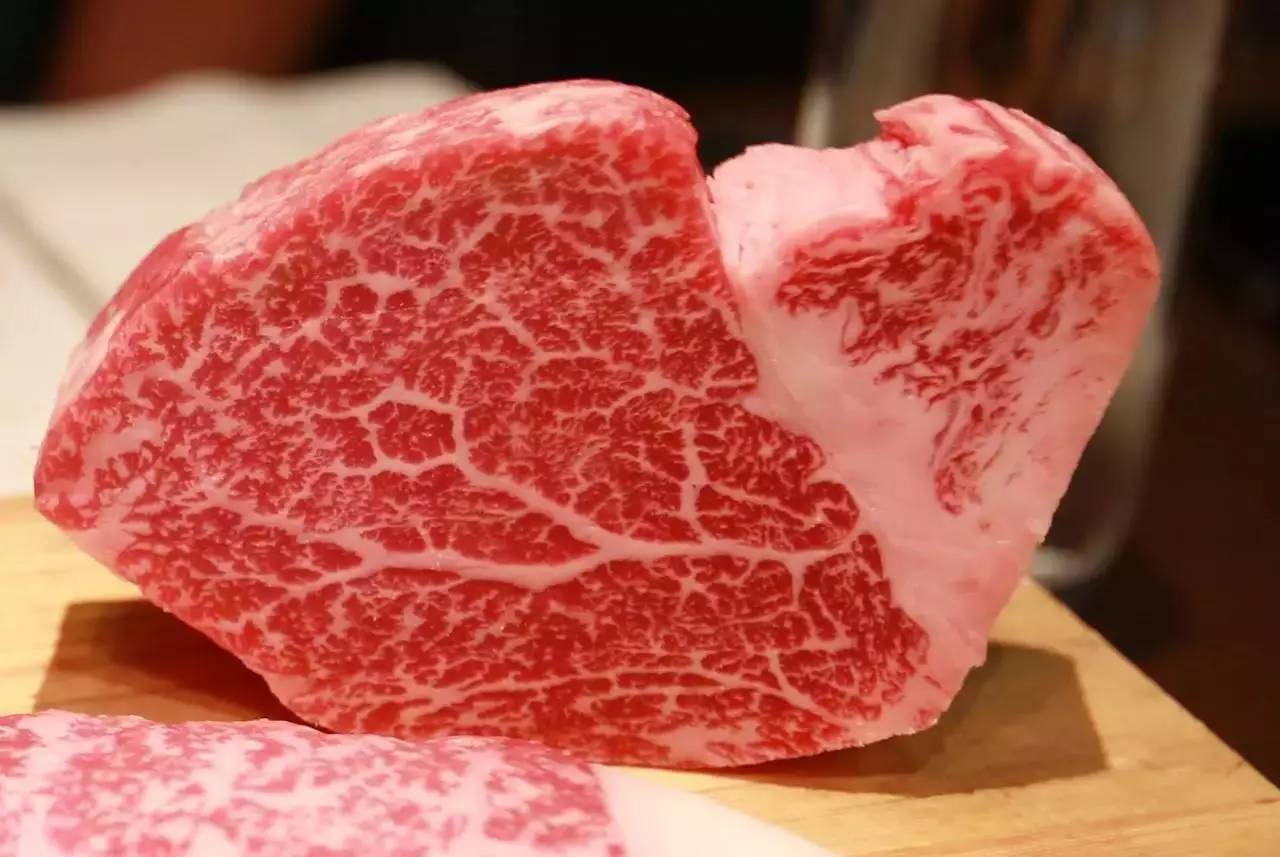
Excellent selection of materials is the primary skill of Chinese chefs. It is the basis of a good Chinese cuisine. It requires a wealth of knowledge and skilled skills. Every kind of food ingredients, including the main ingredients, ingredients, accessories, spices, etc., have a lot of attention and norms.
Exquisite craftsmanship
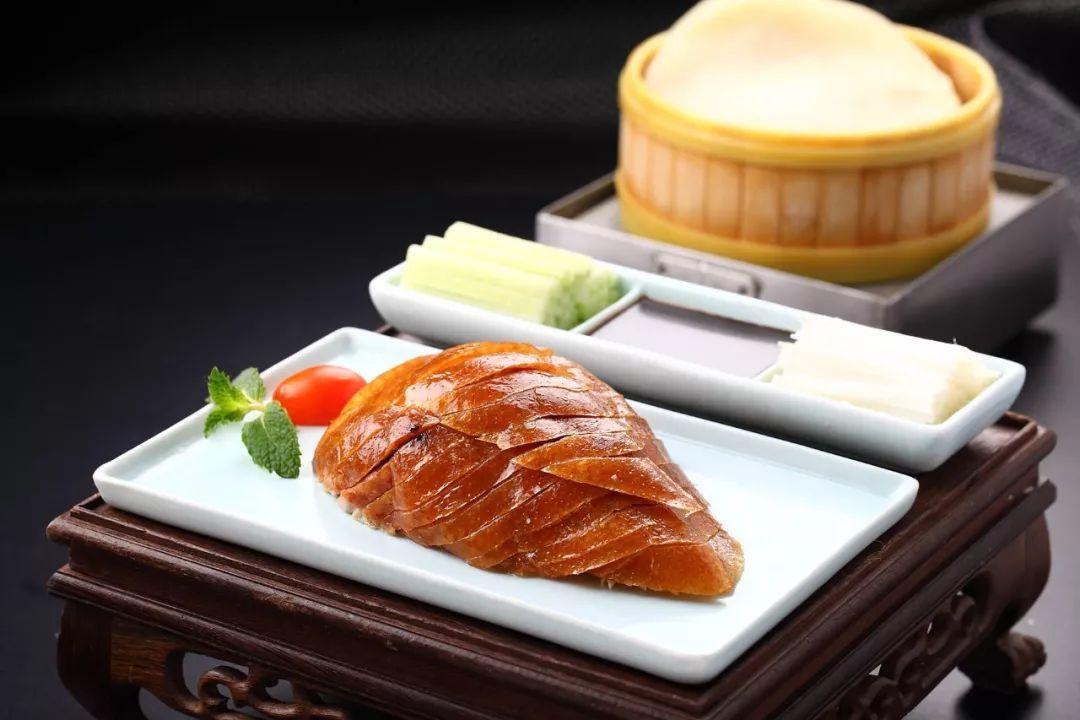
Dao Gong, that is, the cook treats the raw materials with Dao method to make them into a neat and consistent shape needed for cooking, so as to adapt to the fire, heat evenly, be easy to taste, and maintain a certain shape beauty. Therefore, it is one of the key points of cooking technology.
Unique fire

Heat is one of the key factors to form the flavor characteristics of dishes. But the fire is changing rapidly, it is difficult to achieve the right without many years of practical experience. Therefore, it is a unique skill for Chinese cooks to master the proper heat.
Different techniques
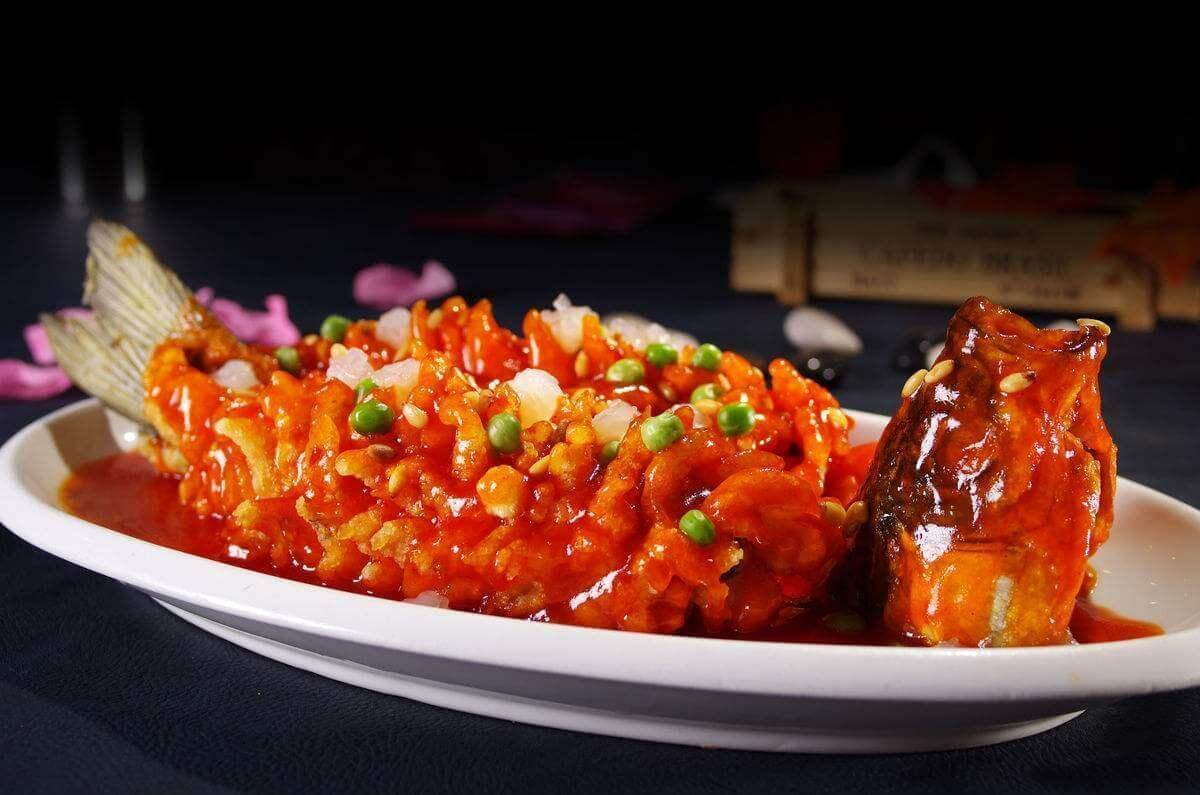
Cooking technique is another unique skill of Chinese cooks. The commonly used techniques are: stir frying, explosion, deep frying, cooking, sliding, frying, sticking, stewing, grilling, burning, stewing, stewing, stewing, boiling, sauce, brine, steaming, baking, mixing, frying, smoking, as well as sugar beet wire drawing, honey, hanging frost, etc. Different techniques have different flavor characteristics. Each technique has several or even dozens of famous dishes.
Chopsticks

Chopsticks are usually made of bamboo, wood, bone, porcelain, ivory, metal, plastic and other materials. Chopsticks is one of the symbols of Chinese food culture, and also one of the commonly used tableware in the world. It was invented in China and later spread to Korea, Japan, Vietnam and other Chinese character cultural circles.
So Chinese food culture has become a treasure house of world food.
Recommended reading: Ten delicious food to try in China
Chapter 7
Many tourist attractions with Beautiful natural scenery
China is rich in landscape tourism resources. These scenic spots can be divided into five types according to their main landscapes:
1. Lake scenic spots (Baiyangdian Lake, Hangzhou West Lake, Nanjing Xuanwu Lake, Wuhan East Lake, Xinjiang Tianshan Tianchi Lake, Qinghai Lake, Danjiangkou reservoir)

2. Mountain scenic spots (Yanshan, Taishan, Hengshan, Huashan, Zijin, Alishan)

3. Forest scenic spots (Xishuangbanna, Zhangjiajie, Henan, Baotianman, Wolong, Sichuan, Shennongjia, Hubei)

4. Scenic spots (Lijiang River in Guilin, Three Gorges of Yangtze River, Jiuqu River in Wuyi)

5. Seaside scenic spots (Tianya Haijiao, Xiamen, Dalian, Hainan).

As of December 2018, China has more than 30000 scenic spots (including 10300 A-level scenic spots, including 259 5A scenic spots and 3034 4A scenic spots), 300 red tourism classic scenic spots, 26 national tourist resorts, 10 tourism and leisure demonstration cities, 110 National eco-tourism demonstration areas, more than 900 self driving RV campsites under construction, and 16 national general aviation tourism demonstration bases.
maybe you want to read:List of 175 AAAAA scenic spots in China
Chapter 8
Friendly support policy
Policies on studying in China
|
Date |
Department |
Policies |
Overview |
|
2010 |
Ministry of Education |
“Study in China Plan” |
In order to implement the “Outline of the National Medium and Long-term Education Reform and Development Plan ()” and promote the further development of the work of studying in China, our Ministry has formulated the “Study in China Plan”. |
|
2017 |
Ministry of Education of the People’s Republic of China, Ministry of Foreign Affairs of the People’s Republic of China, Ministry of Public Security of the People’s Republic of China |
“Administrative Measures for School Enrollment and Training of International Students” |
In accordance with laws and regulations and departmental management responsibilities, the Ministry of Education, the Ministry of Foreign Affairs, and the Ministry of Public Security jointly formulated the “Administrative Measures for the Enrollment and Training of International Students in Schools.” It is hereby announced and will come into force on July 1, 2017. |
|
2018 |
Ministry of Education |
“Quality Standards for Higher Education for International Students in China (Trial)” |
In order to earnestly implement the spirit of the 19th National Congress of the Communist Party of China, promote the connotative development of higher education, and improve the quality of higher education for international students in China, our Ministry has formulated the “Quality Standards for Higher Education for International Students in China (Trial)” (hereinafter referred to as the “standards”) |
|
2019 |
Office of the Ministry of Education |
Notice on Printing and Distributing the “Administrative Measures for the Work of Chinese Government Scholarships” |
In order to support students and scholars from all over the world to study and research in Chinese institutions of higher learning, to enhance mutual understanding and friendship between the Chinese people and people from all over the world, and to develop exchanges and cooperation between China and other countries in the fields of education, science and technology, culture, economy and trade, China The government establishes a Chinese government scholarship. The Ministry of Education is responsible for providing Chinese government scholarships in accordance with the agreements or plans reached between the Chinese government and foreign governments or international organizations, and entrusts the China Scholarship Council (CSC) to be responsible for foreign students studying in China (hereinafter referred to as Chinese government scholarships). Scholarship students) enrollment and management of daily affairs. In order to strengthen the management of Chinese government scholarships and scholarship students, these regulations are formulated. |
|
2020 |
Ministry of Education |
“Notice on Regulating the Relevant Work of Our Colleges and Universities Accepting International Students” |
In accordance with the Education Law of the People’s Republic of China, the Higher Education Law of the People’s Republic of China and the Nationality Law of the People’s Republic of my country, in order to maintain the fairness of higher education in our country, and in accordance with the requirements of the “Administrative Measures for the Enrollment and Training of International Students in Schools”, we now offer To accept applications from international students to enter the undergraduate and junior colleges of our colleges and universities, the following supplementary provisions are made. |
With the promulgation and implementation of the national medium and long term education reform and development plan (), in order to speed up the development of education for foreign students in China, the state has set up special scholarships for foreign students.
China’s public financial expenditure on overseas education has increased year by year. In 2019, China’s public financial expenditure on overseas education is 9.323 billion yuan, of which 3.97 billion yuan, accounting for 42.58%.
Q&A
Around the relevant policies of China’s development of overseas education in China, the head of the Department of international cooperation and exchange of the Ministry of education answered the questions of journalists.
Q: first of all, please introduce what policy measures have been taken by the Ministry of education to develop overseas education in China under the new situation?
China’s one belt, one road, has been a strong support for the construction of the “one belt and one road”. It also made positive contributions to enhancing the international influence of education, enhancing mutual understanding and friendship between Chinese and foreign people, and helping developing countries to train their talents for social and economic development.
With the socialism with Chinese characteristics entering a new era, the study in China has entered the development stage of improving quality and efficiency. The Ministry of education has made it clear that the development of studying abroad in China should adhere to the quality first, strictly regulate management and take the connotation development road. The main measures taken by the Ministry of education in recent years are as follows:
First, we should improve the policy system and manage it in accordance with the law. In 2017, the Ministry of education, together with the Ministry of foreign affairs and the Ministry of public security, issued the management measures for the enrollment and training of international students, which requires all universities to strictly enforce the entrance threshold and conduct the qualification examination, examination or assessment of the applicants to China to ensure that the students recruited meet the school entrance standards and strengthen management in accordance with the laws and regulations.
Second, the national standards are issued to clarify the basic norms. In 2018, the quality standard for higher education of overseas students in China (Trial) was issued, which provides guidance and basis for government management, school running and social evaluation, among which the requirements for admission, training quality, Chinese level and assimilation management of overseas students are specially strengthened.
Third, change the government function and establish the quality assurance mechanism. Third party industries are encouraged to organize and carry out quality certification work for studying in China, and establish and improve quality assurance mechanisms such as incentive, certification and evaluation. Meanwhile, we should strengthen management and supervision, carry out supervision and inspection, strictly check the procedures for accountability, strictly block management loopholes, and attack the illegal and illegal phenomena, so as to ensure the healthy and orderly development of studying abroad in China.
Fourth, strictly manage scholarship to ensure the quality of training. The system of strict selection, unified management, pre science education, completion examination and annual review has been implemented, which effectively ensures the quality of training for the Chinese government to reward students.
Next, the Ministry of education will continue to adhere to the quality first in the development of studying abroad in China, further improve the modern governance system and management mechanism for studying abroad in China, innovate working methods, improve management measures, build a brand of “studying abroad in China”, and effectively improve the quality and management level of overseas education in China.
Q: according to the statistics released by the Ministry of education, in 2018, 492000 international students from 196 countries and regions studied in 1004 universities and scientific research institutions in China. With the rapid development of scale, what has the Ministry of education done in recent years to ensure the quality of studying abroad in China?
A: the China president pointed out in his speech at the national education conference that we should create an internationally competitive education for overseas students. Quality is the lifeline of education for studying abroad in China, and the key to improve international competitiveness is to improve the quality. After years of rapid development, the study abroad in China has made remarkable achievements, but there are also some problems in the education quality and management, such as the quality of students in some colleges and universities to be improved, the training effect is uneven, and the management service has loopholes. In view of these problems, the Ministry of education has made specific deployment on the quality assurance of studying in China around the theme of “standardized management, improving quality and efficiency”.
The quality standard for overseas students’ Higher Education (Trial) issued by the Ministry of education in 2018 is the first unified national basic standard for the higher education of overseas students in China since the founding of new China. This is a key and basic work in the process of the transformation and development of overseas students’ Education in China, which lays the foundation for the construction of the quality assurance system for overseas students in China . The Ministry of education will focus on the implementation of quality standards and include them in the key points of 2019, strengthen the guidance and supervision of colleges and universities, urge colleges and universities to improve the quality of development and improve the standardization level, and realize the healthy and sustainable development of education work for studying abroad in China.
In contrast to the requirements of the quality standard for higher education for overseas students from China (Trial), the Ministry of education has carried out supervision and inspection of overseas education in China, searched for loopholes and strengthened the governance and rectification. In 2018, the Ministry of education seriously handled all kinds of illegal and illegal behaviors in the management of 18 universities in the process of recruiting, accepting and visa students from China, and suspended the qualifications of 16 related institutions to recruit foreign students. The quality certification of third-party industry organizations, academic and professional institutions is a quality assurance mode that is generally accepted by all parties. The Ministry of education actively guides the third-party industry institutions to carry out pilot certification. The China Education International Exchange Association has started pilot certification since 2016, and 93 universities have been certified in pilot projects. This year, it has officially been certified. On this basis, the quality certification system which is in line with the world is gradually established, so that the enrollment and training of colleges and universities can be more transparent under social supervision.
Teachers and management cadres are the new forces in the development of studying abroad in China. The Ministry of education attaches importance to the improvement of the ability of these two teams. Since 2012, 26 English teaching teacher training courses have been held continuously, with more than 1300 teachers trained; 18 national training courses for overseas students have been held, with more than 3000 left in charge cadres. The Ministry of education is also accelerating the construction of the national management system for studying abroad in China, and will realize the whole process management of overseas students to China in the year, and effectively improve the management efficiency.
Next, the Ministry of education will continue to urge local and school to implement the main responsibilities in strict accordance with the spirit and policy requirements of relevant documents, further improve the standards of enrollment, teaching and examination, ensure the quality of students and training, improve the management service level and win the key battle of studying abroad in China.
Q: Ministry of education has just released the final accounts of the Department in 2018. Can you introduce the use of overseas study funds in China?
A: the funds for studying in China are mainly used to fund non Chinese citizens who study or carry out scientific research in Chinese universities according to the educational exchange agreement signed by the Chinese government and the governments of the relevant countries (regions). In 2018, there were 63000 Chinese government awarded gold students to study in China, accounting for 12.8% of the total number of overseas students. The funds for studying abroad in China are directly allocated to universities, most of which are used by universities for the training and management of overseas students in China. Only the living expenses are paid to the students who are awarded the prize.
At present, China and more than 180 countries have signed intergovernmental education exchange agreements to support the mutual sending of students from both sides to study in the other countries. Among them, the Ministry of education supports the students from other countries to study in China in the form of Chinese government scholarship, and Chinese students go abroad to study further through scholarships provided by the other countries.
The Chinese government scholarship is an important part of studying in China, which has greatly improved the level and level of students. In 2018, 70% of the Chinese government awarded gold students, 70% of them were master students studying for degrees. Over the years, a large number of outstanding alumni have emerged among the Chinese government’s scholarship winners, which have made positive contributions to promoting friendly and cooperative exchanges between China and foreign countries.
The Ministry of education attaches great importance to the source and quality of scholarship students of the Chinese government, requires the National Overseas Study Fund Commission and universities to implement strict selection and admission procedures, and strictly assess the gold medal students through annual review and other methods. If they fail to pass the evaluation, the qualification of the scholarship shall be suspended or cancelled, and the training quality and utilization efficiency shall be effectively improved.
Next, the Ministry of education will further improve the enrollment and management of gold students awarded by the Chinese government, improve standards and ensure quality. Meanwhile, we will improve the evaluation mechanism of scholarship institutions, and cancel the qualification of recruiting and training gold medal students for colleges that are not up to the standard in enrollment or quality training.
Q: we note that “assimilation management” has become one of the current directions of education management for studying abroad in China. How does the Ministry of education consider in promoting the “assimilation management” of Chinese and foreign students?
A: the quality standard of higher education for overseas students from China (Trial Implementation) clearly proposes to promote the convergence of teaching, management and service of Chinese and foreign students, and requires that the education of overseas Chinese students be incorporated into the education quality assurance system of the whole university in the future, to realize the unified standard teaching management and examination system, to provide equal and consistent teaching resources and management services, and to guarantee the culture of Chinese and foreign students To make exchanges and legitimate rights and interests.
The Ministry of education will further promote the management and service assimilation between overseas students and Chinese students, and intensify efforts to urge the educational administrative departments and colleges and universities at all levels to implement the policies. Colleges and universities shall, in their entrance and daily education, conduct Chinese laws, regulations, school discipline and safety education for overseas students who come to China, and take serious measures against the students who violate the rules and regulations. If they are suspected of committing illegal crimes, they shall cooperate with relevant departments to deal with them in accordance with the laws and regulations, and shall not condone condolence.
However, convergence does not mean waiting for assimilation. We should treat students from both China and abroad equally, and also see differences in customs, customs, languages and cultures of overseas students. In order to help students learn about Chinese national conditions and culture and integrate them into schools and society as soon as possible, based on the principle of rationality, fairness and prudence. In terms of education and teaching, an effective teaching guidance system is established to provide academic assistance to overseas Chinese students; in terms of management services, it organizes and guides overseas students to participate in healthy and beneficial extracurricular education activities, and promotes cultural exchange and mutual understanding between Chinese and foreign students.
10 Reasons for Studying in China
Chinese Culture
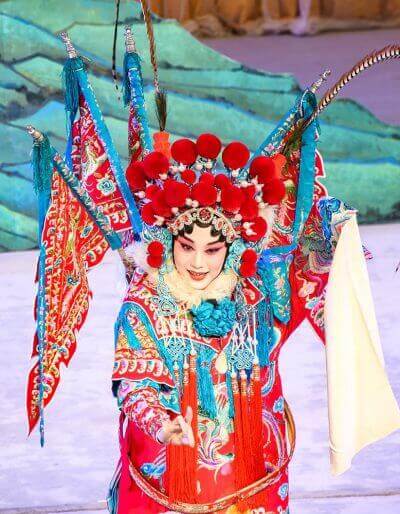
Beijing Opera
Peking Opera, also known as Peking Opera and Peking Opera, is one of the most influential operas in China.
Confucianism
Confucianism is an academic school founded by Confucius, developed by Mencius, and integrated by Xunzi. It has been continuously promoted by Confucians of all ages and still has a certain vitality.
Sichuan Food
Sichuan cuisine is one of the four traditional Chinese cuisines, one of the eight traditional Chinese cuisines and a master of Chinese cuisine.